

GPSC City Academy on Green Urban Infrastructure and Urban Nature Tourism
03 June 2026 - 05 June 2026,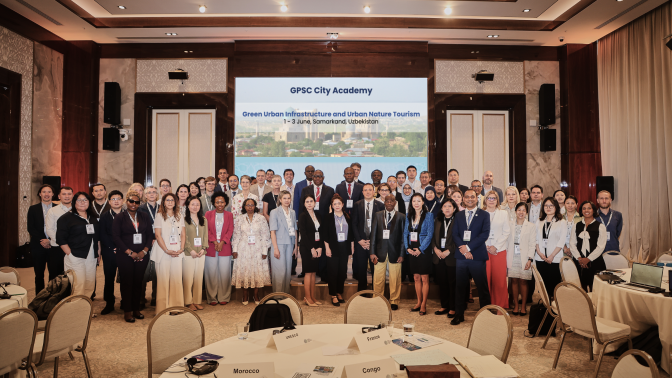
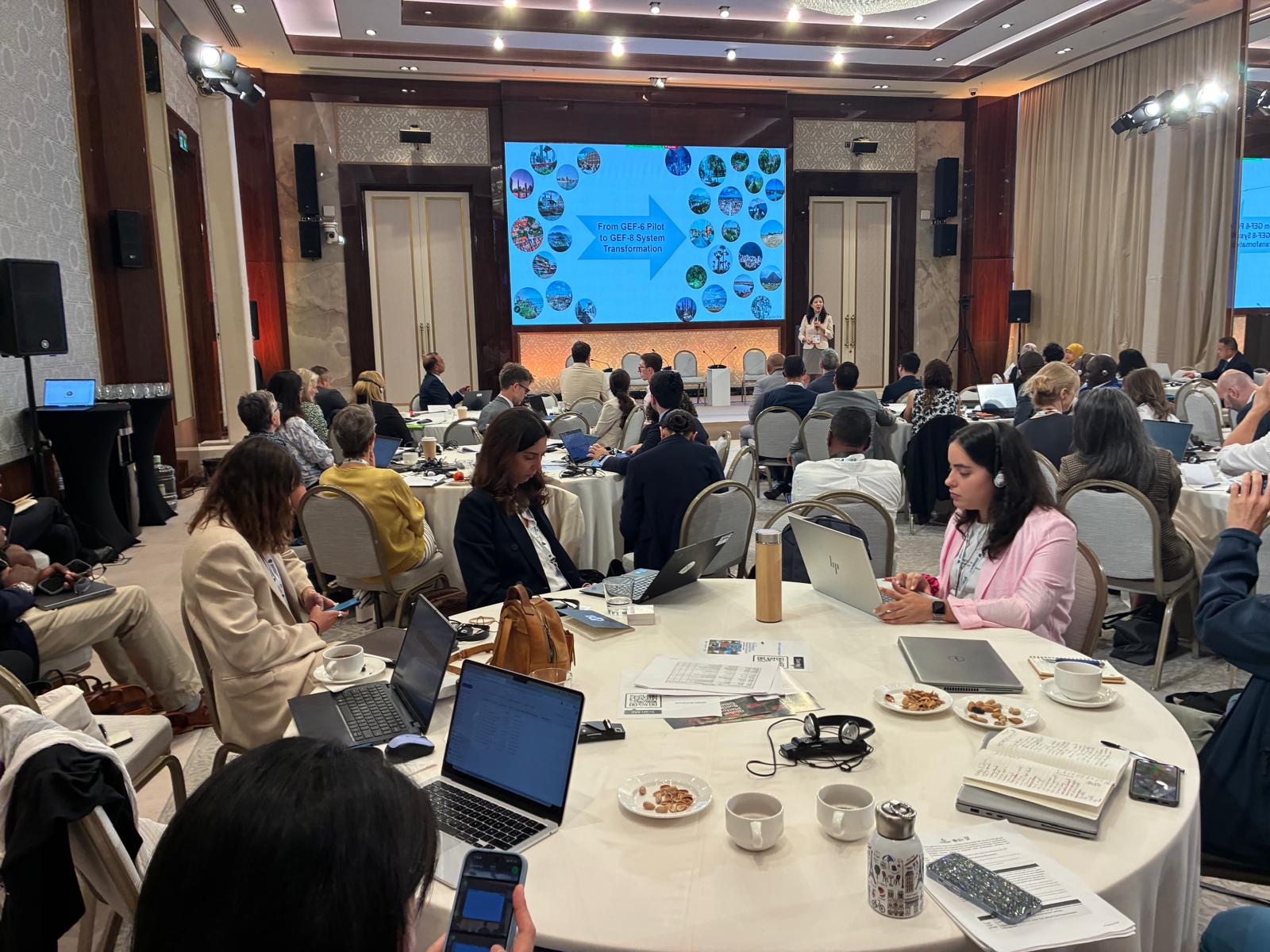
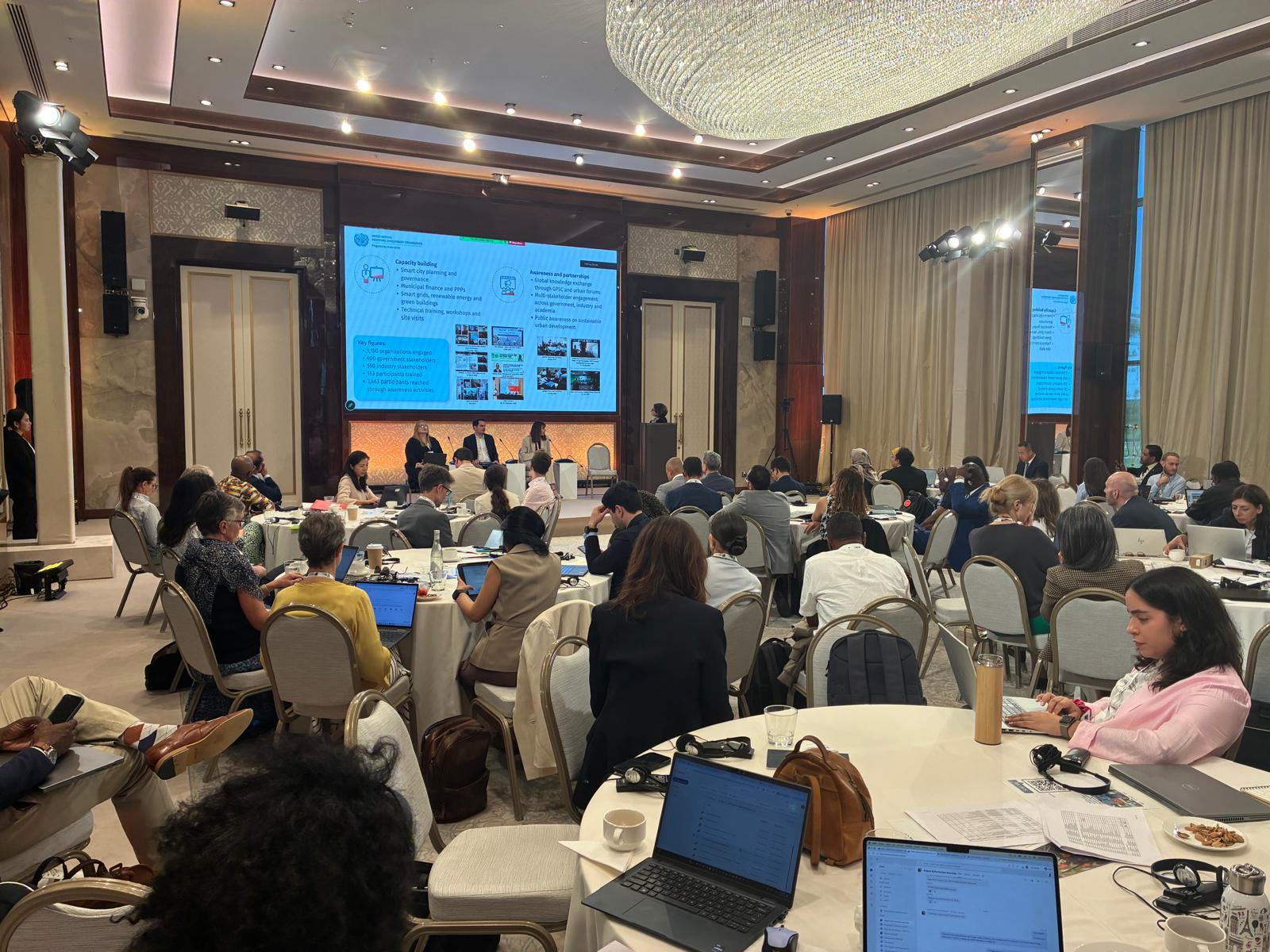
The GPSC City Academy in Samarkand is being organized in collaboration with UNESCO, focusing on Green Urban Infrastructure and Nature-Cultural Tourism in Samarkand, Uzbekistan, from June 1–3, 2026, in conjunction with the GEF-8 Assembly. The Academy will bring together project teams, city representatives, and technical experts from across the GEF Sustainable Cities Integrated Program (SCIP), World Bank project cities, and partner institutions for structured technical exchange, peer learning, and practical problem-solving.
The Academy is designed to support cities in moving from conceptual approaches to integrated, system-level planning and implementation of GI networks. It will provide practical guidance on how to identify, plan, and prioritize GI systems across spatial scales, while strengthening linkages with land use planning, infrastructure investments, and service delivery systems.
Structured around a practical pathway—from planning, to prioritization, to financing and value creation, and ultimately to implementation—the Academy will combine targeted technical inputs, case-based learning, and interactive operational clinics. Participating cities will be expected to actively engage in identifying priority challenges and developing initial, action-oriented outputs to inform ongoing and future project implementation.
Rapid urbanization, climate risks, and increasing infrastructure demands are placing pressure on cities to deliver more resilient, inclusive, and resource-efficient urban systems. In this context, green infrastructure (GI) is emerging as a critical component of urban development, offering integrated solutions that can enhance resilience, support ecosystem services, and contribute to livability and local economic development. However, in many cities, GI interventions remain fragmented and insufficiently embedded within urban planning, infrastructure systems, and investment processes.
Structured around a practical pathway—from planning, to prioritization, to financing and value creation, and ultimately to implementation—the Academy shows how integrated green infrastructure (GI) planning can generate multiple urban benefits, including stronger resilience, improved livability, and new opportunities for local economic development, including tourism. By planning GI as connected, multi-functional systems, cities can enhance the quality and accessibility of natural assets, strengthen place identity, and create the enabling conditions for nature-based and cultural tourism. In this way, the Academy links technical planning approaches with broader development outcomes, showing how well-planned GI networks can help cities unlock economic value while protecting environmental assets and supporting more sustainable urban growth. Through targeted technical inputs, case-based learning, and interactive operational clinics, participating cities will identify priority challenges and develop initial, action-oriented outputs to inform ongoing and future project implementation.
The City Academy is structured around a set of interrelated themes that reflect the key dimensions of advancing green infrastructure systems in cities:
Integrated Planning of Green Infrastructure Systems Approaches for planning GI as connected, multi-functional networks across spatial scales, and embedding these within land use planning and sectoral systems.
Nature-Based Economic Development and Tourism Leveraging GI systems to generate economic value, including through nature-based and cultural tourism, while supporting local livelihoods and city competitiveness.
Day 1 – Monday, June 1 (Room Zircon)
Time | Opening session | |
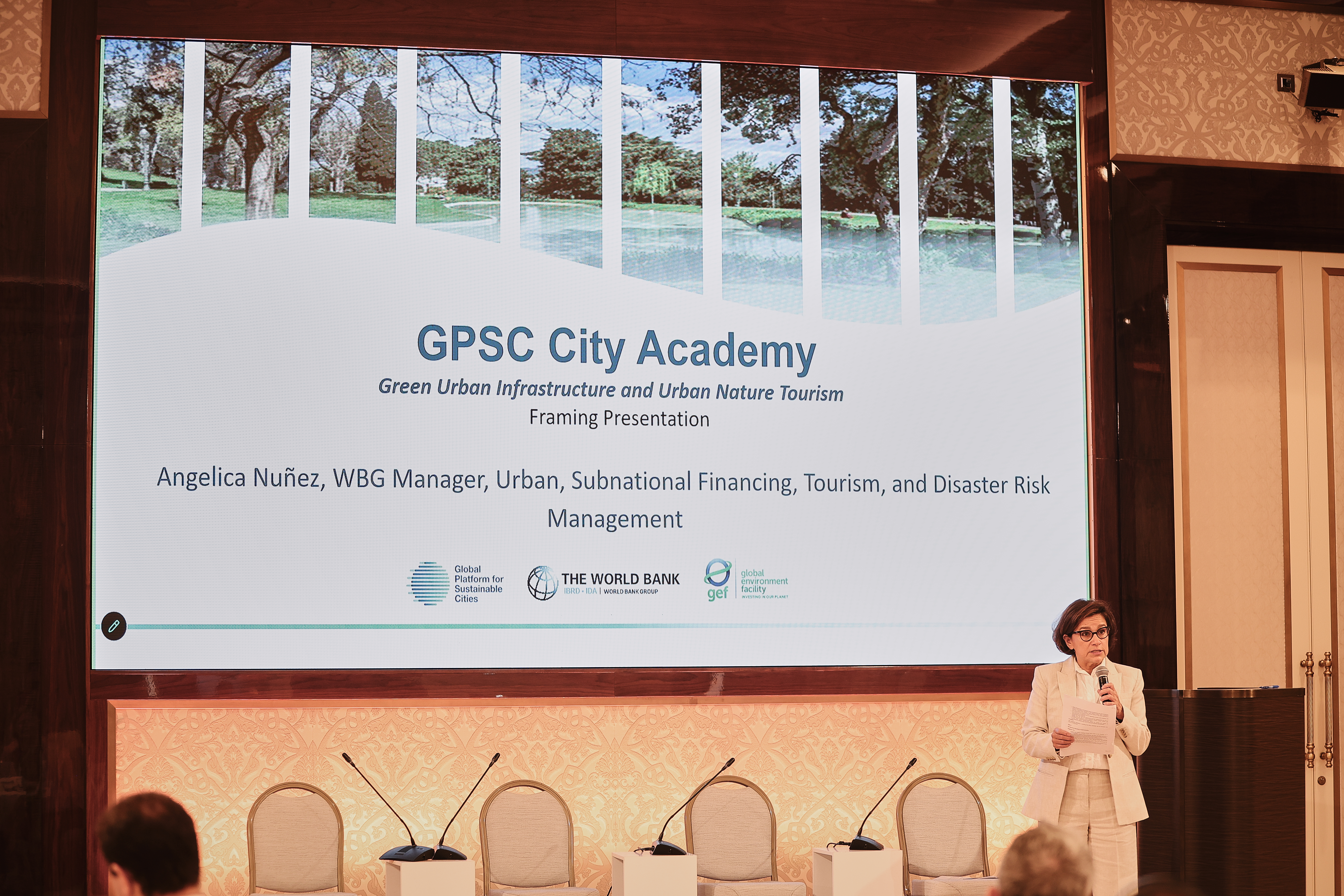
09:00-9:30 (30 MIN) | Welcome and Opening Remarks Angelica Nunez, Manager, World Bank
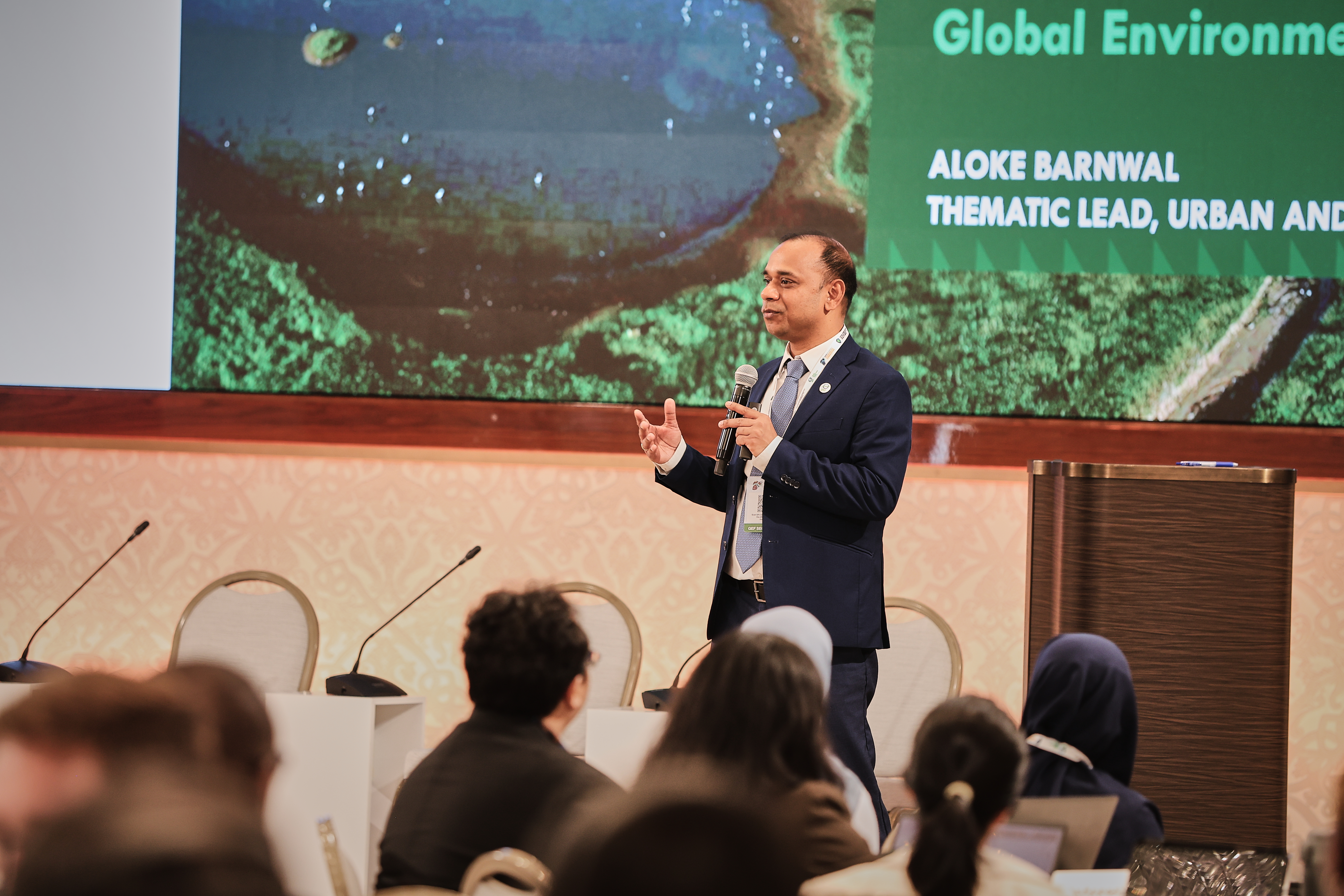
Presentation on GPSC/SCIP, and an overview of Samarkand Academy Aloke Barnwal, Thematic Lead, Urban and Infrastructure, GEF Xueman Wang, GPSC Program Manager, World Bank
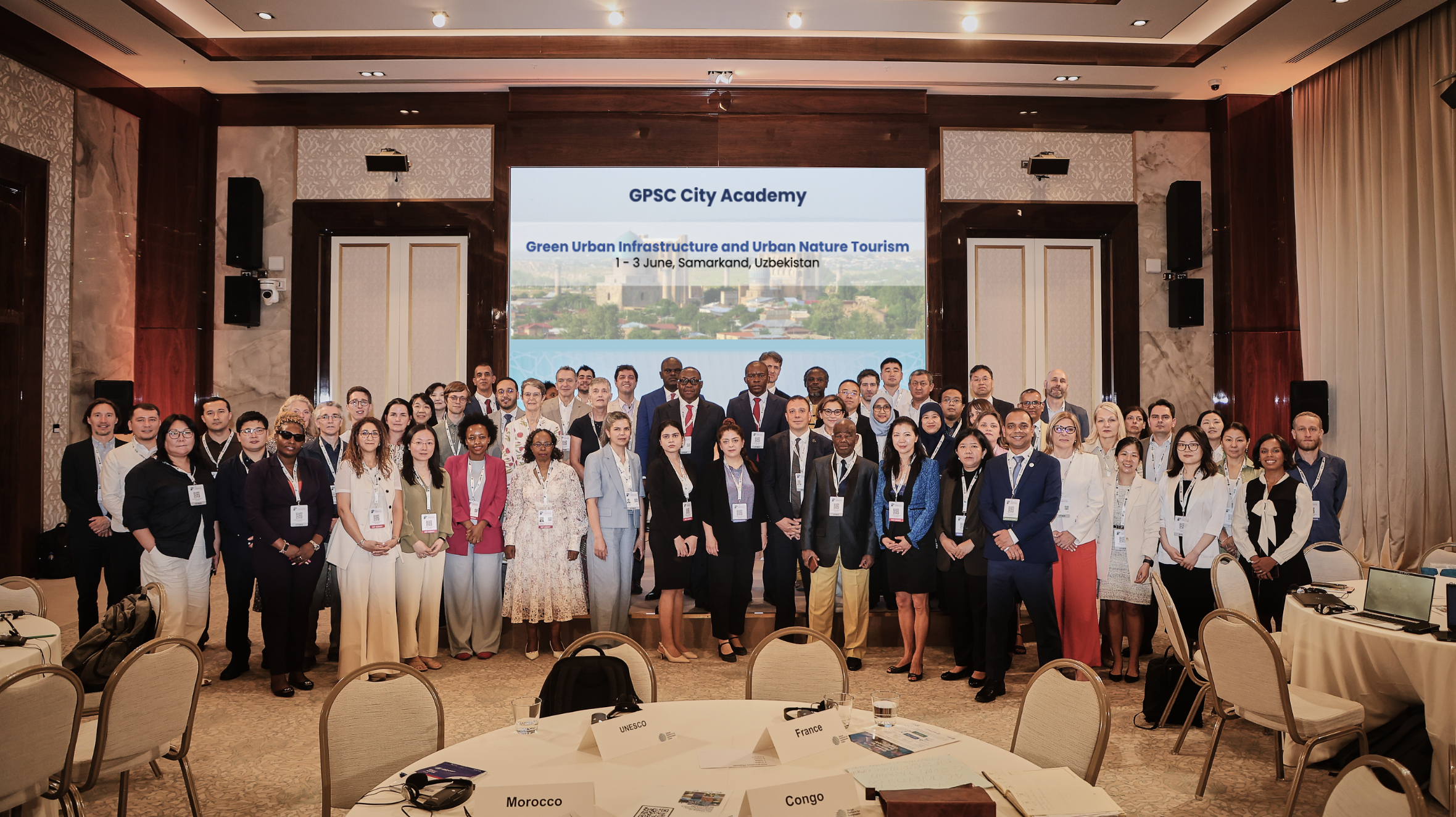
Group Photo | |
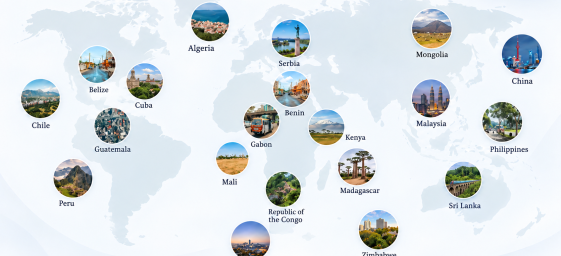
09:30-10:15 (45 MIN) | Rapid Introductions of Participating Cities One representative from each delegation will introduce their participants. Brazil, China, Congo, Dominican Republic, France, Indonesia, Kenya, Kyrgyzstan, Malaysia, Mongolia, Morocco, Serbia, Singapore, South Africa, Tajikistan, Turkey, Uzbekistan, followed by organizations.
Moderated by Pallavi Sengupta, GPSC team | |
10:15-10:30 | Coffee Break |
|
| Session 1. Introduction: A Network Approach to Green Infrastructure | |
10:30-12:25 (115 min) |
This session will introduce planning green infrastructure (GI) through a network approach, highlighting how cities can plan GI as integrated, multi-functional systems across scales. It will also present the GPSC Green Infrastructure Handbook as a practical tool to support this approach. The Handbook outlines a step-by-step framework for comprehensive GI planning and will be illustrated through case studies from the cities of Guangzhou and Curitiba.
Xueman Wang, GPSC Program Manager, World Bank
Niklas Mariotte, Green Infrastructure Expert, Rehwaldt Landscape Architects
Wu Jie, Director, Low-Carbon & Eco-City Planning Center, Guangzhou Urban Planning & Design Survey Research Institute (virtual)
Felipe Maia Ehmke, Director, Climate Change, Department of Environment, City Hall of Curitiba
Cities are invited to reflect on the information shared in this session and discuss how the network approach could further strengthen the design and implementation of their ongoing projects. Panel 1 (40 mins)
Other participating cities will be encouraged to share observations, related experiences, and practical considerations emerging from their own work.
Moderated by Angelica Nunez, Manager, World Bank | |
12:25 - 13:30 | Lunch Break |
|
| Session 2. Planning Green Infrastructure as Integrated Networks | |
13:30-14:45 (75 min)
|
This session continues the case studies by examining how cities integrate land use planning, urban resilience, and urban biodiversity into green infrastructure (GI) network planning. Through practical examples, it will highlight common challenges—such as land use pressures, fragmented planning, and competing infrastructure demands—and how cities have addressed them.
Sherilyn Yum, Director, Policy and Planning Group, National Parks Board, Singapore
Bobby Gould-Pratt, Manager: Urban Design and Planning
Francois Moureau, Head of Urban Ecology, Paris
| |
14:45-15:10 | Coffee Break | |
| Session 3. Linking Learning to Project Design and Implementation | |
15:10-16:50 (100 MIN)
| GEF-7 Sustainable Cities projects will reflect on implementation experiences, operational challenges, and lessons learned from delivering integrated urban development approaches, including how nature-based solutions, green infrastructure, biodiversity, and resilience components have been integrated and scaled through implementation.
GEF-8 SCIP countries will reflect how to integrate nature, biodiversity, green infrastructure, and nature-based solutions within broader urban development strategies. Participating cities and project teams will discuss how these components are being designed and implemented, as well as the support, tools, and partnerships needed to scale impact and advance integrated approaches to urban nature and resilience.
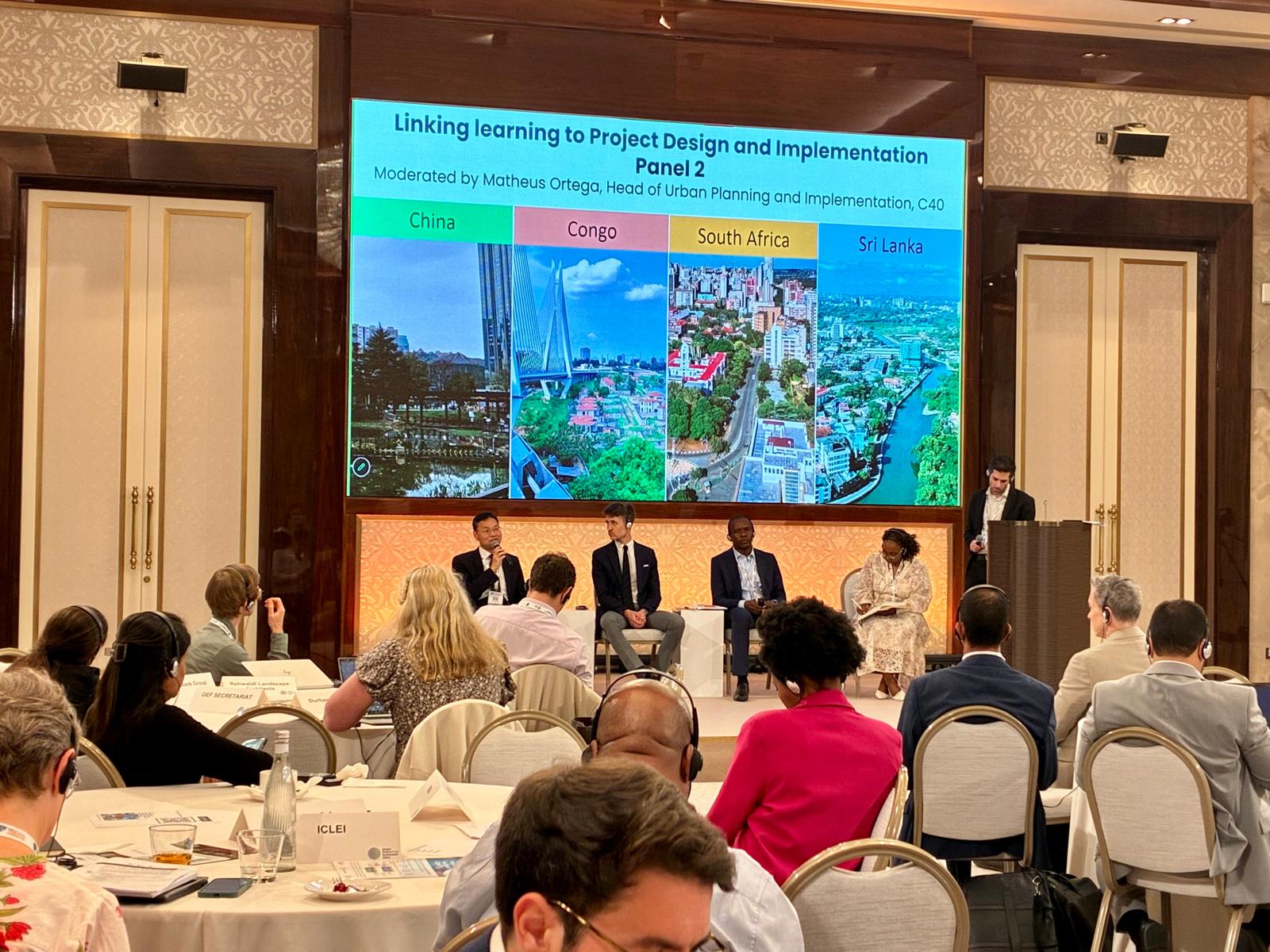
Panel 2 (40 minutes)
Moderated by Matheus Ortega, Head of Urban Planning and Implementation, C40
Panel 3 (40 minutes)
Moderated by Ingrid Coetzee, Director: Biodiversity, Nature and Health, ICLEI
Q&A and discussions | |
18:30-20:00 | Networking Reception Location: Lia! by Minyoun Stars of Ulugbek Address: Silk Road Samarkand resort complex: Konigil Massif, 140319 | |
Day 3 – Tuesday, June 2 (Room Zircon)
| Session 4. Tools and data for decision making |
9:00-10:30 (90 MIN) | This session will examine how cities can leverage spatial data, mapping, Earth observation, and analytical tools to support evidence-based planning and prioritization of green infrastructure (GI) investments. Building on previous technical exchanges and webinars, the session will combine technical presentations, practical examples, and discussions with participating cities on the opportunities and challenges associated with using geospatial data and analytical tools for urban nature planning and implementation.
Alex Chunet, EO Applications Specialist, European Space Agency Laurence Jones, Professor, UK Centre for Ecology & Hydrology
Selected GEF cities will share reflections and experiences related to the use of spatial data, mapping, and analytical tools.
John-Rob Pool, Senior Manager, WRI
Moderated by Xueman Wang, GPSC Program Manager, World Bank |
10:45-11:00 | Coffee Break |
| Session 5. Leveraging GI Systems for Urban Nature Tourism and Local Economic Development |
11:00-12:30 (90 min)
| This session will explore how green infrastructure (GI) can generate economic value through urban nature tourism. It will highlight the role of natural and cultural assets as drivers of sustainable development, examine the growth of the (urban nature) tourism economy, and outline how cities can unlock this potential through integrated, place-based strategies and urban regeneration interventions.
Peter Debrine, UNESCO
Ms. Chen Jian, Deputy Director General, Chengdu Development and Report Committee, and the director for World Bank-GEF7 project Ms. Caoxin Wang, Deputy Director, Department of Planning and Construction, Jinjiang Park Development and Service Bureau, Chengdu
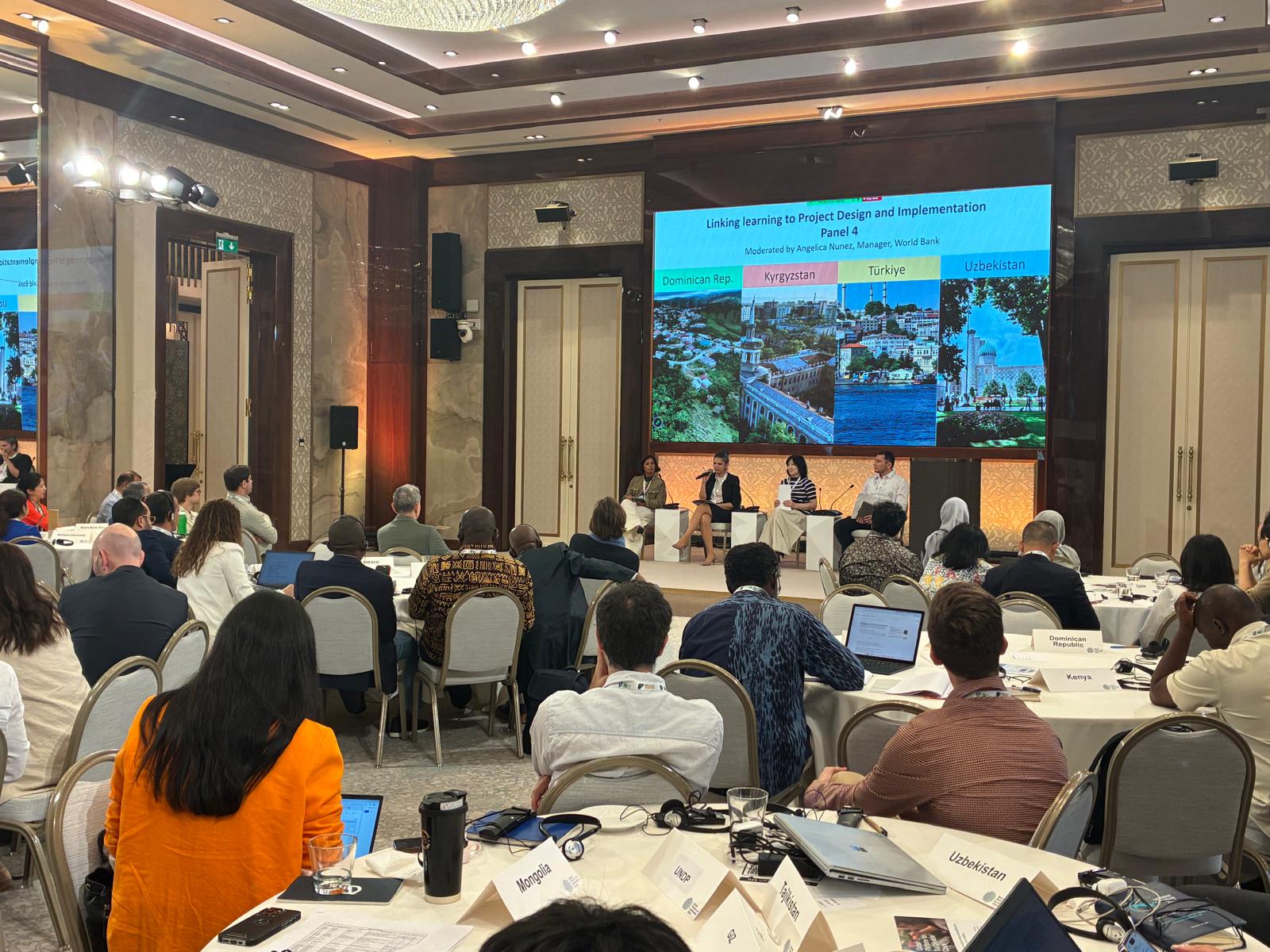
Panel 4 (40 min)
Moderated by Angelica Nunez, Manager, World Bank |
12:30-13:30 | Lunch Break |
| Session 6. Unlock value: Urban regeneration for Tourism and Local Economic Development |
13:30-14:30 (60 min) | Building on the previous session, this session will focus on case studies illustrating how cities translate these principles into practice. It will cover approaches for creating place-based experiences, integrating local communities and economic activities, and ensuring environmental sustainability.
Wanli Fang, Senior Urban Specialist, World Bank Yuna Chun, Urban Development Analyst, World Bank
Lindie Buirski, Manager: Environmental Planning and Sustainability.
|
14:30- 14:35 | Briefing Preparation for City Action plan Session on Day 3 |
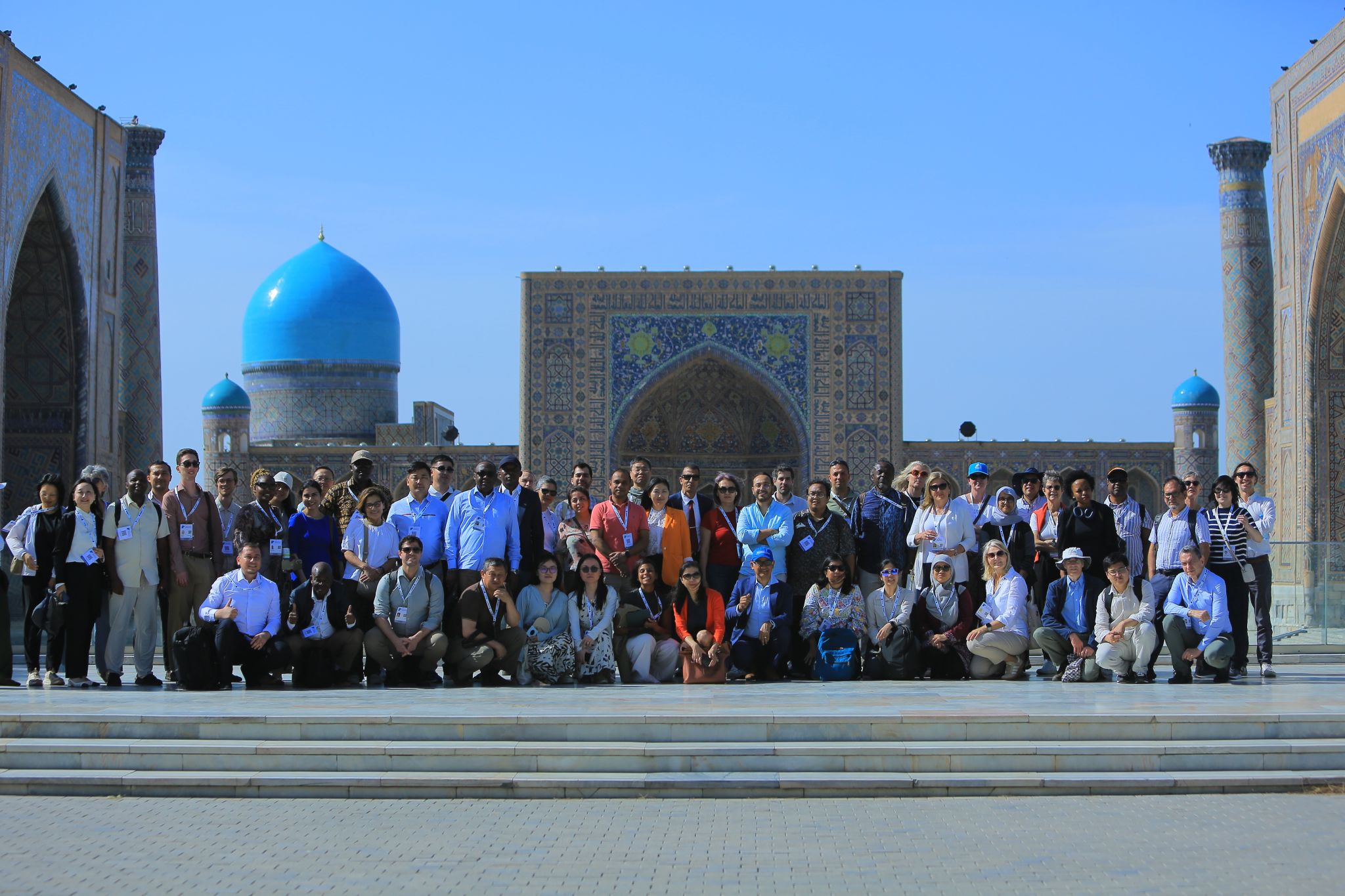
| Site Visit |
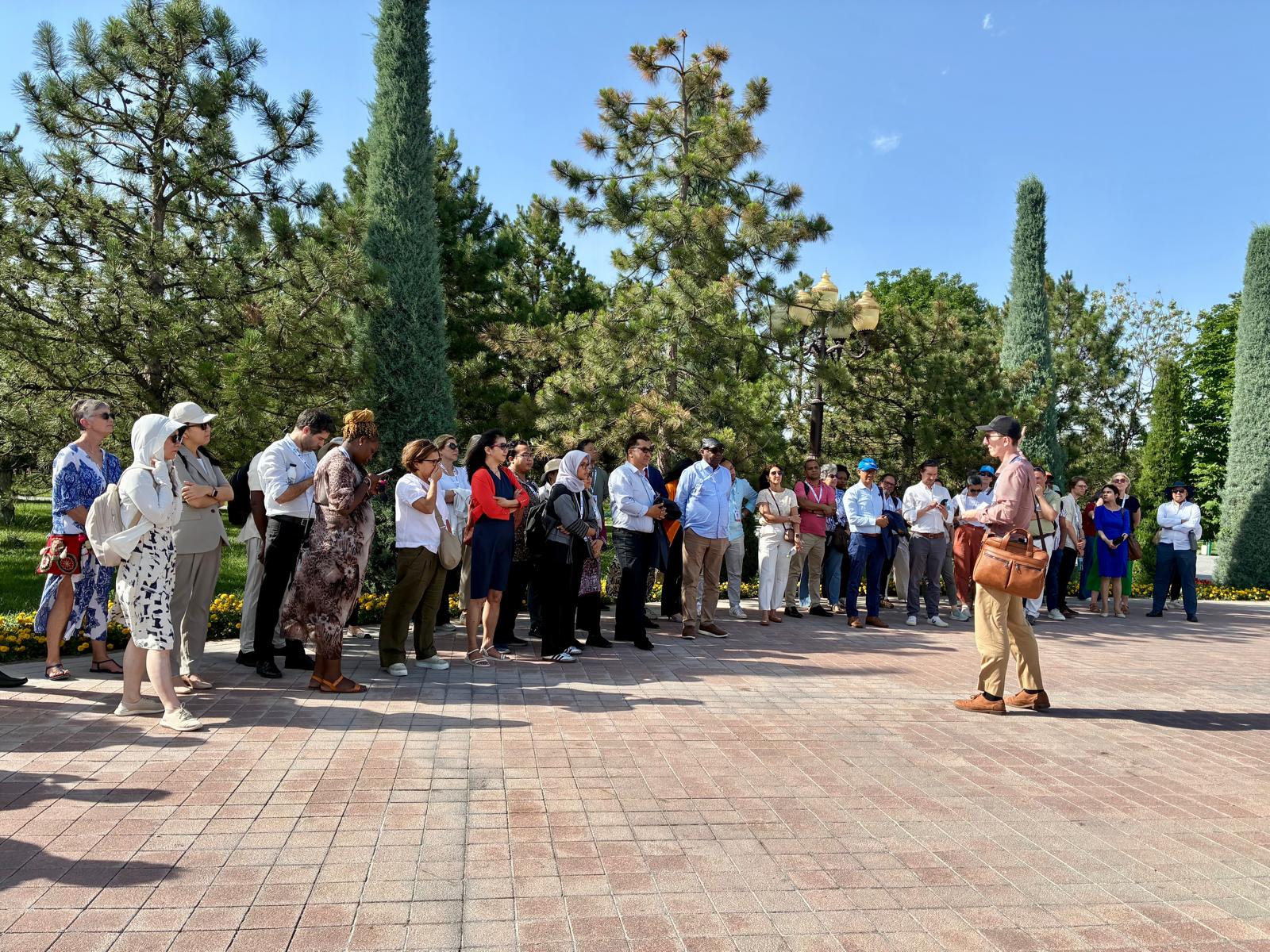
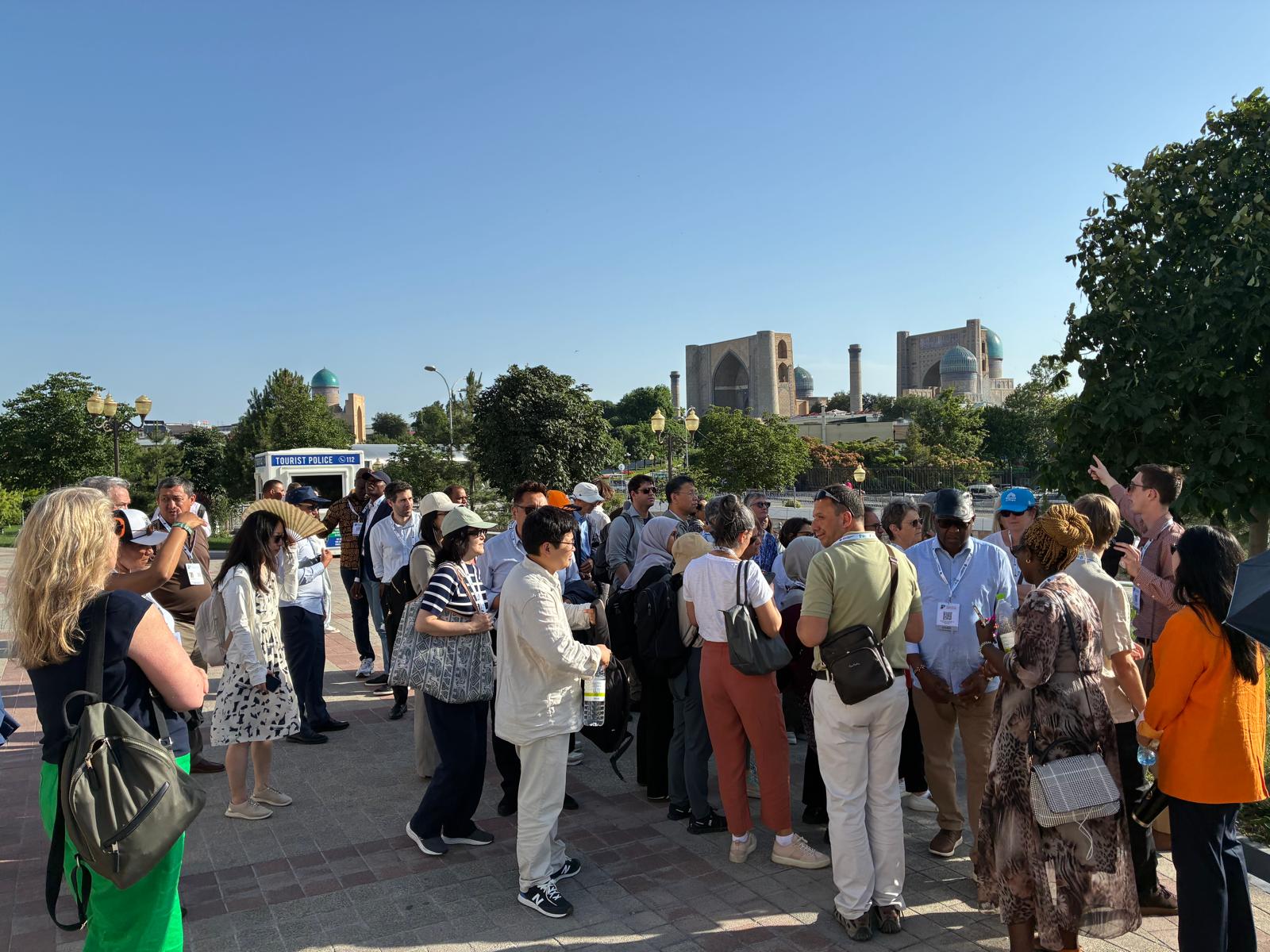
14:30-17:00 (150 MIN) | Briefing on Site Visit Charles William Norman, World Bank Regional Team Green Infrastructure, Heritage, and the Urban Fabric of Samarkand Please see Annex 2 for the detailed agenda of the site visit |
Day 3 – Wednesday, June 3 (Room Zircon)
| Preparation for City Action plan | |
9:00 to 10:15 (75 MIN) | Participating cities will have dedicated time to reflect on key takeaways from the Academy and prepare their interventions for the afternoon session on City Action Plans and Next Steps. | |
| GEF-8 SCIP Integrated learning sessions |
|
10:30-13:00 (150 MIN) | This segment will connect the Academy to the broader GEF Assembly through joint learning sessions with Integrated Approach Programs, providing an opportunity to exchange experiences, identify common implementation challenges, and draw cross-program lessons related to integrated urban development, resilience, and sustainability approaches.
Moderated by Aloke Barnwal, Thematic Lead, Urban and Infrastructure, GEF
Please see Annex 1 for the detailed agenda of this session. | |
13:00-14:00 | Lunch Break | |
| City Action Plans and Next Steps | |
14:00-17:00 (180 MIN) | This session will serve as the main synthesis and output-oriented segment of the Academy. Participating cities will present how network-based approaches to green infrastructure (GI) planning could be applied within their local context and integrated into ongoing projects and priorities. Presentations will follow a common template and will be followed by brief feedback from experts and partners to help identify practical next steps and opportunities for continued support and collaboration.
| |
| Closing Session | |
17:00-17:20 (20 MIN) | The closing session will summarize key insights, highlight opportunities for continued collaboration, and outline next steps across the SCIP portfolio.
Ming Zhang, Global Director, Urban, Sub-national Financing and Disaster Management | |
Day 1 – Monday, June 1
Opening session |
Opening and Framing Presentation Angelica Nunez, Manager, World Bank
Aloke Barnwal, Thematic Lead, Urban and Infrastructure, GEF
GPSC Introduction and an Overview of Samarkand Xueman Wang, GPSC Program Manager, World Bank |
Session 1. Introduction: A Network Approach to Green Infrastructure |
Session Framing: GI Network Approach Xueman Wang, GPSC Program Manager, World Bank
Introduction to GPSC Handbook to support GI Network Planning Niklas Mariotte, Green Infrastructure Expert, Rehwaldt Landscape Architects
Case studies Guangzhou, China. Wu Jie, Director, Low-Carbon & Eco-City Planning Center, Guangzhou Urban Planning & Design Survey Research Institute
Curitiba, Brazil. Felipe Maia Ehmke, Director, Climate Change, Department of Environment, City Hall of Curitiba |
Session 2. Planning Green Infrastructure as Integrated Networks |
Singapore: Green Master Planning: Balancing Land Use and Green Infrastructure. Sherilyn Yum, Director, Policy and Planning Group, National Parks Board, Singapore
Cape Town (South Africa) Integrating Green Infrastructure into Urban Planning and Resilience Approaches Bobby Gould-Pratt, Manager: Urban Design and Planning
Paris (France) Urban Biodiversity Networks. Francois Moureau, Head of Urban Ecology, Paris |
Day 2 – Tuesday, June 2
Session 4. Tools and data for decision making |
Spatial Data and Analytical Tools for GI Planning PART 1. Alex Chunet, EO Applications Specialist, European Space Agency PART 2. Laurence Jones, Professor, UK Centre for Ecology & Hydrology Introduction of the Cool Cities Data Lab John-Rob Pool, Senior Manager, WRI |
Session 5. Leveraging GI Systems for Urban Nature Tourism and Local Economic Development |
Why cultural and natural assets matter for sustainable development Peter Debrine, Senior Project Officer, UNESCO
Case Study: Chengdu, China: Leveraging Chengdu-Tianfu Green Way to enhance the city’s tourism and competitiveness PART 1. Ms. Chen Jian, Deputy Director General, Chengdu Development and Report Committee, and the director for World Bank-GEF7 project PART 2. Ms. Caoxin Wang, Deputy Director, Department of Planning and Construction, Jinjiang Park Development and Service Bureau, Chengdu |
Session 6. Unlock value: Urban regeneration for Tourism and Local Economic Development |
Urban nature Tourism: Demand, trends and economic opportunity & How cities can unlock value: Urban regeneration for tourism PART 1. Wanli Fang, Senior Urban Specialist, World Bank PART 2. Yuna Chun, Urban Development Analyst, World Bank
Lindie Buirski, Head: Environmental Capacity Building |
Site Visit |
Briefing on Site Visit: Green Infrastructure, Heritage, and the Urban Fabric of Samarkand Charles William Norman, World Bank Regional Team |
Day 3 – Wednesday, June 3
GEF-8 SCIP Integrated learning sessions |
Introduction to the Sustainable Cities IP and GEF-9 priorities Aloke Barnwal, GEF Secretariat
Supporting Urban Resilience through LDCF and SCCF Olusola Uchenna Ikuforiji, GEF Secretariat
Xueman Wang and Pallavi Sengupta, World Bank
Experience and impact through GEF-7 Sustainable Cities Impact Program (UrbanShift) Asher Lessels- UNEP
Advancing knowledge, learning and advocacy through global platform John Rob Pool, World Resources Institute
Scaling up financing and private sector engagement- Experience from Investor Roundtables Matheus Ortega C40 Cities
Ingrid Coetzee, ICLEI
Experience from countries and cities- planning to implementation China- GEF-7 Serbia- GEF-8 Malaysia- GEF-8 Costa Rica- GEF-7
Other IPs supporting urban and infrastructure sustainability GEF Leads/Lead Agencies Blue and Green Islands IP- UNDP Circularity Solutions for Plastics IP- UNEP
|
City Action Plans and Next Steps |