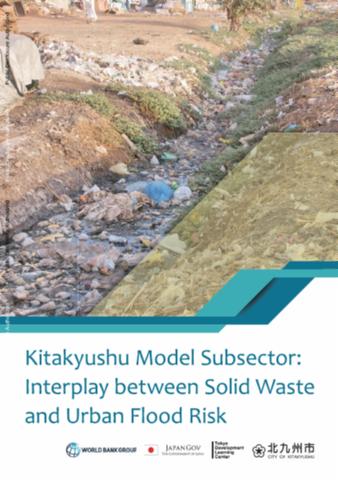


Kitakyushu Model Subsector: Interplay between Solid Waste and Urban Flood Risk

May 31, 2017

The Kitakyushu Model is a methodology developed in Kitakyushu City, Japan to provide appropriate solutions for environmental challenges to pursue sustainable urban development. It strives to be a methodology that allows cities to easily apply sustainability more broadly and in a holistic fashion, beyond isolated projects and individual advice. The objective of this piece is to enhance the current Kitakyushu Model by adding a subsector on the linkage between solid waste management and disaster risk management, particularly flood events.
 
Related content
View all

Planning

COVID-19 Pandemic and Sustainable Urban Transformation: Perspectives on City-Level Actions and a Framework for the Future

Cities were at the center of the COVID-19 pandemic due to the concentration of affected populations and economic activities that needed to be revived to support global recovery. While cities offer
Knowledge Product

Learn more

Planning

Analyzing the Spatial Patterns of the Elderly's Daily Activities

The living environment is an important resource for Chinese cities to response the challenge of aging population. In an ideal living environment, elderlies can obtain necessary support when their
Knowledge Product

Learn more

Planning

Kitakyushu Model Subsector: Interplay between Solid Waste and Urban Flood Risk

The Kitakyushu Model is a methodology developed in Kitakyushu City, Japan to provide appropriate solutions for environmental challenges to pursue sustainable urban development. It strives to be a
Knowledge Product

Learn more