

Partner Events
OASIS Schoolyards Project: Second General Assembly
02 July 2020
,
08:00
/
Online
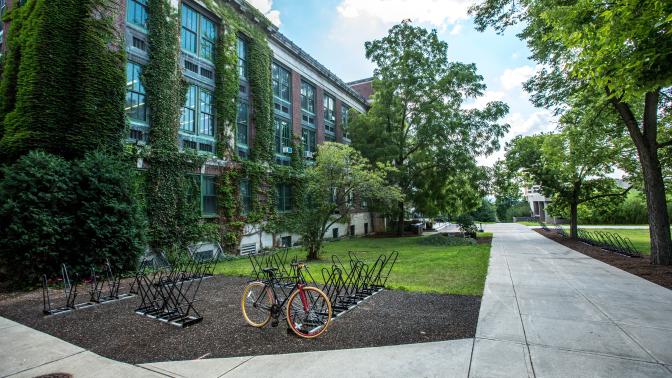
Over the last Technical Deep Dive in Paris, we have exchanged regarding the OASIS Schoolyard Projet and share more generally on the subject of schoolyard transformation. As the OASIS project continues to unfold, the City of Paris and its partners are hosting the project's Second General Assembly, organized as part of a project regarding 10 pilot schools, co-financed by the European Regional Development Fund (ERDF) through their Urban Innovative Actions (UIA) programme (see the Presentation Booklet attached for more information). This will be the occasion to learn more about the project's current events, and to continue exchanging on the potential and impact of schoolyard transformation in a urban area. Click here to download the presentation booklet.
Programme
Presentation Time
• What happened this year with the pupils in the 10 schools?
• What are the new projects for Parisian schoolyards?
• How were the project’s social and climatic evaluations launched?
• What happened this year with the pupils in the 10 schools?
• What are the new projects for Parisian schoolyards?
• How were the project’s social and climatic evaluations launched?
Roundtable
• The Schoolyard: a central space to start the City’s transformation!
• With the participation of experts in biodiversity, urban cooling, education to sustainable development, social link and municipal action …
• To register, kindly fill the form below
• The Schoolyard: a central space to start the City’s transformation!
• With the participation of experts in biodiversity, urban cooling, education to sustainable development, social link and municipal action …
• To register, kindly fill the form below
......
Please note that this event will be entirely in French, with subtitles in English when applicable.