

Promoting sustainable urbanization that contributes to global environmental goals: Learning from the GEF’s Sustainable Cities Program
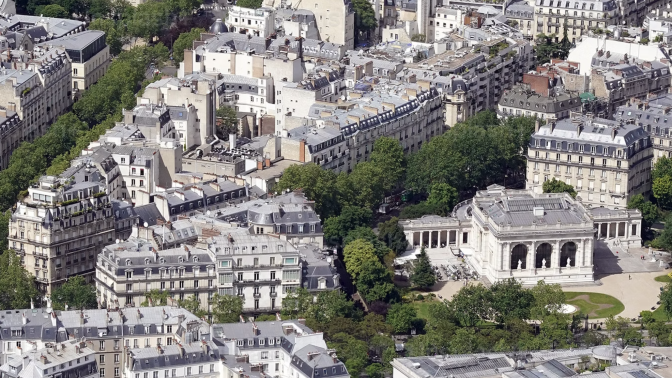
From April 8–10, 2025, the GEF Secretariat convened a technical workshop in Paris to reflect on lessons from the Sustainable Cities program under GEF-6 and 7. Co-hosted by UNEP and the World Bank, the workshop brought together GEF agencies, core partners, and urban experts to discuss global urbanization trends, challenges, and opportunities for integrated urban transformation. Participants explored how cities can drive environmental benefits through improved land use, nature-based solutions, and low-carbon, resilient development pathways aligned with the GEF’s vision for sustainable urbanization.
Urbanization is a fundamental driver of economic growth and societal progress. More than half of the world's population now lives in urban areas – a figure projected to rise to 68% by 2050. This unprecedented growth places enormous pressure on natural resources, leading to deforestation, loss of biodiversity, increased greenhouse gas emissions and climate vulnerability.
While unsustainable urbanization can cause environmental degradation, urban areas also bring significant opportunities to shape a future that builds on the vision of healthy planet and healthy people. In cities, people, nature, and the built environment are closely connected, enabling policy makers and investors to develop solutions which can deliver multiple and synergistic benefits. Sustainable cities can support a significant transformation that delivers global environmental benefits along with social and economic advantages, making it a relevant investment area for the GEF to achieve its objectives.
The Sustainable Cities Integrated Program is one of the flagship programs under the GEF’s integrated approach, which focuses on the drivers of environmental degradation rather than dealing with the symptoms of degradation itself. The Sustainable Cities program was introduced as a pilot in the GEF-6 phase that started implementation in 2016, and scaled up in the following GEF-7 phase, which is currently under implementation under the name UrbanShift. The latest phase – GEF-8 – is about to start implementation in 2025.
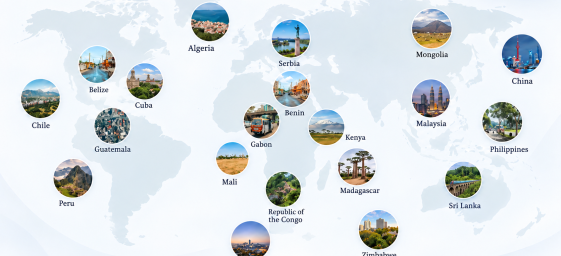
In total, the program is supporting 90+ cities in 33 countries in adopting integrating planning and sustainability solutions and strengthening institutional capacity to move towards a net zero carbon, nature positive, inclusive and resilient future. This work prioritizes improved land use planning, enabling policies, accelerated investments in nature, decarbonization and circularity, capacity building of urban institutions and facilitating knowledge exchange and generation.
Objective & scope of the workshop
- Building on nearly a decade of investments in GEF’s Sustainable Cities program, the overall objectives of this technical workshop are:
- To discuss global urbanization trends, sustainable urban transformation needs, challenges and opportunities, and how they relate to the triple planetary crisis of climate, nature loss and pollution.
- To synthesize knowledge and lessons learnt from the design and implementation of the GEF’s Sustainable Cities program in GEF-6, 7 and 8.
- To identify key learnings, critical gaps and barriers in advancing integrated approaches for urban transformation, and opportunities for the GEF partnership and other actors to contribute to the global environmental and sustainability goals.
After the workshop, a comprehensive meeting report will be produced that will summarize the discussions and recommendations.