

Paris Takes the Lead as First City Host of the GPSC Urban Nature Network
20 MAY 2026 /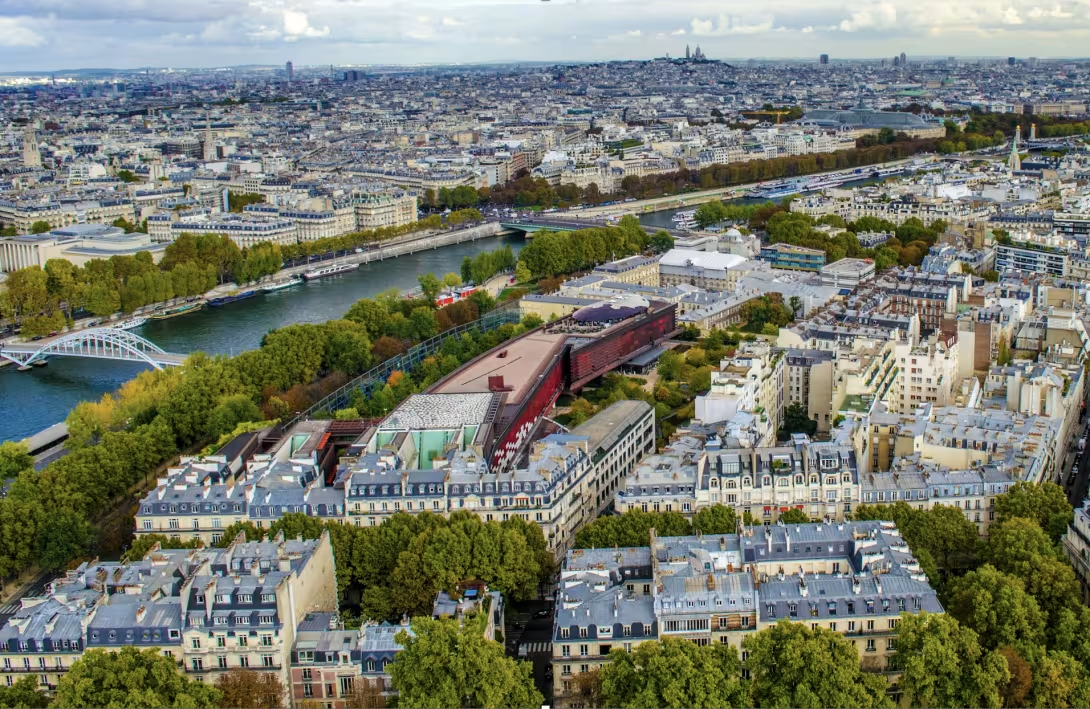
The Global Platform for Sustainable Cities (GPSC) is pleased to announce that the City of Paris will host the Urban Nature Network from May to July 2026, becoming the first city to take on this role under the Network’s rotating hosting modality.
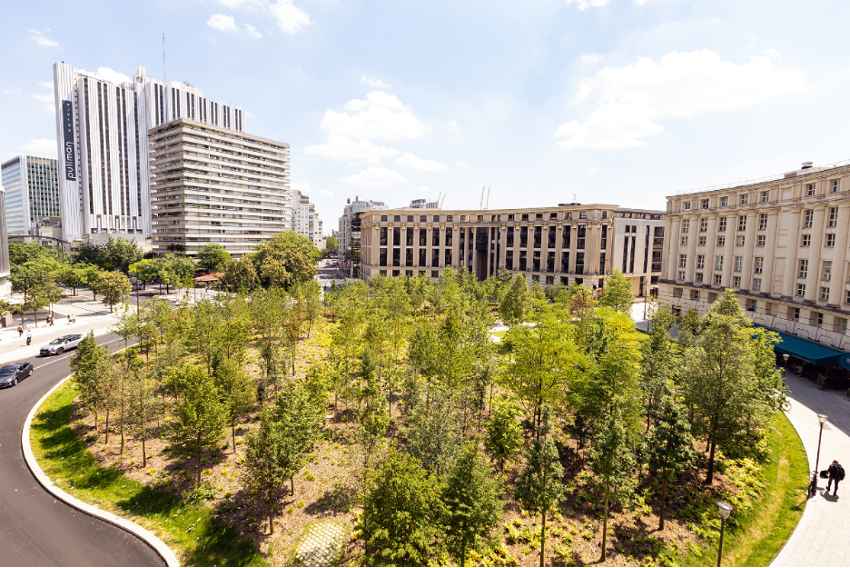
As a Lighthouse City under the GEF-8 Sustainable Cities Integrated Program (SCIP), Paris has established itself as a global leader in advancing urban nature as a central pillar of sustainable and resilient urban development. Through ambitious planning frameworks, public investment, and innovative policies, the city has integrated biodiversity, climate adaptation, and public space transformation into its broader urban development strategy.
Paris’ transition is guided by an integrated and bioclimatic planning approach that positions nature as essential urban infrastructure. Through instruments such as the Paris Climate Action Plan and the Bioclimatic Local Urban Plan, the city translates long-term climate and biodiversity objectives into planning, public investment, and regulatory frameworks. This systemic approach demonstrates how dense cities can embed nature into everyday urban development while strengthening resilience and quality of life.
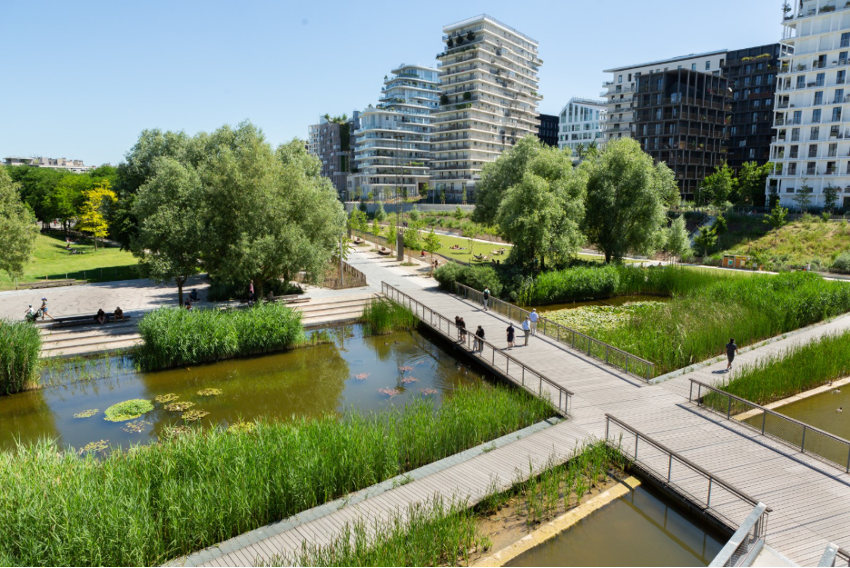
Paris’ experience demonstrates how urban nature can address multiple urban challenges simultaneously. Large-scale greening initiatives, ecological corridors, urban forests, vegetated schoolyards such as Cours Oasis, and the re-naturalization of public spaces have contributed to reducing urban heat, improving air quality, strengthening ecological systems, and enhancing the quality of life for residents.
At the same time, Paris has become internationally recognized for reshaping urban mobility and reclaiming public space. The rapid expansion of protected cycling infrastructure, pedestrianization of key corridors, and the reallocation of street space away from private vehicles have positioned active mobility as a core element of the city’s urban model. This integrated approach—linking urban nature, sustainable mobility, and people-centered public space—illustrates how cities can deliver co-benefits across climate resilience, health, and livability.
During its hosting period, Paris will share its experience and technical expertise with members of the Urban Nature Network through a series of activities focused on biodiversity planning, green urban infrastructure, and neighborhood transformation. Two upcoming webinars will provide a closer look at how these approaches are planned and implemented in practice. The first session will explore how Paris embeds nature as urban infrastructure through integrated planning and investment frameworks, while the second will examine how the city delivers urban nature at neighborhood scale through green infrastructure, cooling strategies, and participatory approaches.
Paris has been a long-standing partner of the GPSC and Urban Nature Program, contributing to global knowledge exchange on urban biodiversity and sustainable urban development, including hosting the second Cities4Biodiversity (C4B) deep-dive learning event. As host of the Urban Nature Network, Paris will continue supporting peer learning and helping cities explore practical pathways toward nature-positive and inclusive urban development.
To learn more about Paris’ work and experience, explore the Paris City Profile on the GPSC website.