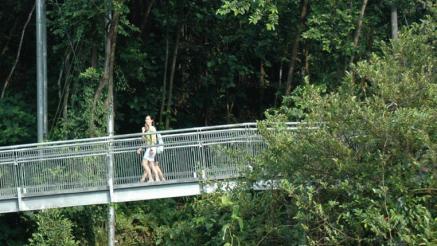


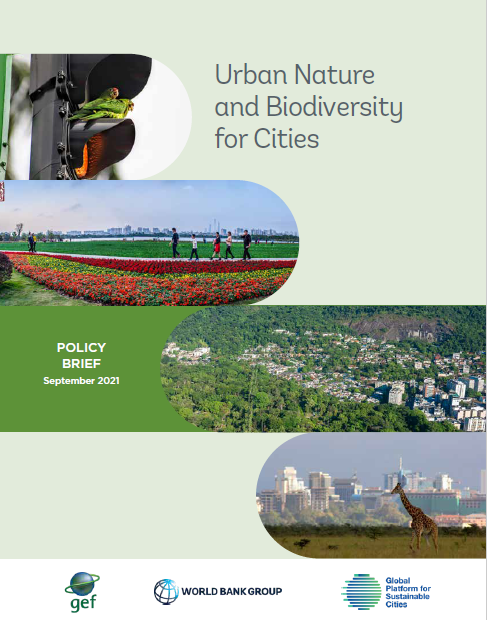
One important way for urban leaders to rise to today’s challenges is to bring biodiversity and nature into urban design through urban ecological planning. Such planning recognizes that cities depend on biodiversity and that biodiversity depends on cities. Ecological planning not only illuminates the linkages between urbanization and biodiversity, but also helps integrate this understanding into urban planning, strategy, and investment. We have the knowledge, data, tools, and approaches to direct investment in nature to solve many different types of urban problems. Using these approaches today will help cities of the future become more sustainable, livable, resilient, and equitable.

Related content
View all
Nature
A Playbook for Nature-positive Infrastructure Development
Infrastructure is one of the main drivers of biodiversity loss. For example, 95% of deforestation in the Brazilian Amazon is within 5 km of a road. Infrastructure also contributes approximately 79% of
Nature
Best Practice in Delivering the 30x30 Target: Protected Areas and Other Effective Area-Based Conservation Measures
This report was first published before the final decision on the Global Biodiversity Framework was made at the CBD meeting in December 2022. Some important issues relating to implementation of Target
Nature
Urban Green Infrastructure I: Challenges, Opportunities and Good Practices (Spanish)
This publication is part of a series of three papers exploring the different aspects of urban green infrastructure solutions. This first part explores Urban Green Infrastructure and Nature-Based