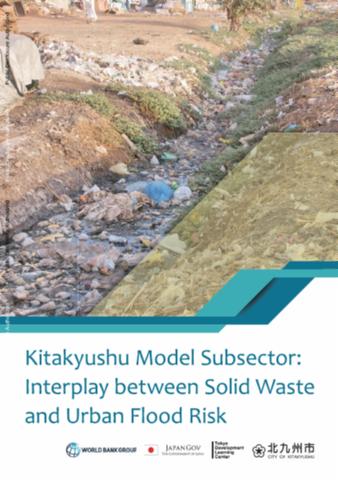


Kitakyushu Model Subsector: Interplay between Solid Waste and Urban Flood Risk

May 31, 2017

The Kitakyushu Model is a methodology developed in Kitakyushu City, Japan to provide appropriate solutions for environmental challenges to pursue sustainable urban development. It strives to be a methodology that allows cities to easily apply sustainability more broadly and in a holistic fashion, beyond isolated projects and individual advice. The objective of this piece is to enhance the current Kitakyushu Model by adding a subsector on the linkage between solid waste management and disaster risk management, particularly flood events.

 
Related content
View all

Planning

Primer on Urban Form and Greenhouse Gas Emissions

Urban areas are responsible for the majority of global greenhouse gas emissions, yet the rapid expansion of cities in the coming decades presents a critical opportunity to shape low-carbon urban
Knowledge Product

Learn more

Planning

CHONGQING 2035

Each part of the Chongqing 2035 report is downloadable below. Overview Report: Spatial and Economic Transformation for a Global City Supporting Report 1: Spatial Transformation Strategy Increasing
Knowledge Product

Learn more

Planning

Best Practices and Lessons Learned on the Pathways to Sustainability: Co-design of a bicycle network for the Asuncion´s Metropolitan Area

We sought to design a bicycle network for the Metropolitan Area of Asuncion (AMA), to promote the use of bicycles as a mean of sustainable transportation that is both inclusive and safe.We invited the
Knowledge Product

Learn more