

Partner Events
E-course: Urban Upgrading for Inclusion, Sustainability and Resilience in a time of Global Pandemics
26 October 2020 - 23 December 2020,09:00
/
Online
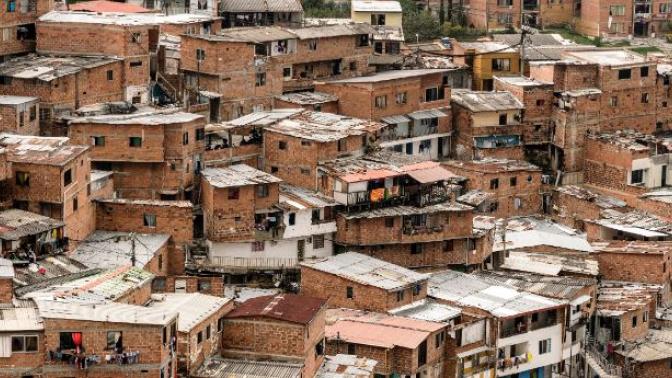
Photo by Karl Groendal on Unsplash
Unprecedented circumstances created by the COVID-19 pandemic have presented huge challenges to a third of the global urban population living in slums around the world. This course aims at supporting policy makers and urban practitioners to better respond to the challenge of slums, especially in a time of global pandemics. The course focuses on the conceptual and operational aspects of designing, implementing and sustaining a slum upgrading intervention, while underscoring the main policy and programmatic approaches at city level for scaling up upgrading and better planning for future growth. Specifically, at the end of the course, participants will be able to:
(i) Understand urban slums, their underlying social, economic, and spatial characteristic, how they emerge and consolidate, and their impacts to local communities and the city as a whole;
(ii) Analyze evolution of policy approaches to addressing urban slums under different contexts, what worked, what did not work, and why; and
(iii) Review and apply key operational principles and instruments for designing an upgrading intervention, including planning, finance, infrastructure, land tenure, housing, social inclusion, and sustainability.