

Belize
Belize participates in the GEF-8 Sustainable Cities Integrated Program (SCIP) strengthening the country’s efforts to advance resilient, low-carbon, and nature-positive urban development. As a small coastal nation highly exposed to climate risks such as flooding, sea level rise, and hurricanes, Belize is working through the program to enhance integrated urban planning, protect critical ecosystems, and improve urban infrastructure and services. Through the GPSC Global Knowledge Platform, Belize is incorporating nature-based solutions, climate-resilient infrastructure, and circular economy approaches into urban planning and investment processes. The initiative also supports institutional capacity building, data-driven decision making, and the development of bankable projects aligned with national and municipal planning cycles. By participating in the GEF-8 SCIP network, Belize contributes valuable experience on sustainable urban development in coastal and biodiversity-rich contexts while benefiting from global knowledge exchange and peer learning across cities worldwide.
The World Bank serves as the Implementing Agency. The Executing Agency is the Ministry of Finance, Economic Development and Investment.
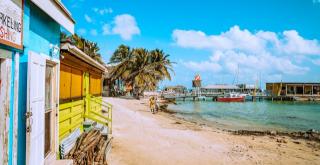
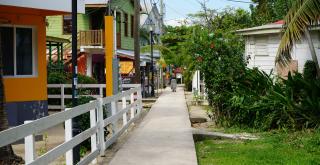
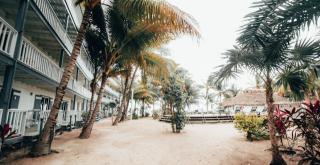
The Belize Blue Cities and Beyond Program is designed to address the country’s vulnerability to climate change and environmental degradation while unlocking the potential of its Blue Economy. As a small coastal economy, Belize faces significant challenges, including exposure to extreme weather events, unsustainable urban growth, and pollution affecting its rich marine and coastal ecosystems. Tourism, which accounts for 90 percent of economic activity in coastal cities, depends on the preservation of these natural assets. However, inadequate waste management, the impacts of climate change, and sectoral silos in urban development threaten their sustainability. This initiative will integrate urban planning with environmental conservation, aiming to create resilient, vibrant, and sustainable coastal cities that balance economic growth with ecological integrity.
Component 1 – Policy Development and Capacity Building for Sustainable Blue Economy
- Integrated national and municipal spatial planning reform, including land-use plans for Belize City, San Pedro, and Placencia, aligned with sustainable coastal development and blue economy objectives
- Water and sanitation regulatory strengthening, including National Water and Sanitation Master Plans and updated effluent and water quality standards
- Blue economy governance and marine resource monitoring framework, including fisheries oversight mechanisms and establishment of a Blue Economy Monitoring Center
- National Spatial Data Infrastructure (NSDI) and geospatial decision-support systems, including CORS network deployment and integrated coastal asset mapping
- Carbon market regulatory and digital infrastructure development, including carbon ownership framework, MRV protocols, registry system, and transaction platform
- Municipal governance and finance strengthening, including capacity building on sustainable urban development, disaster risk reduction, sustainable tourism, and enhancement of local revenue systems
- Preparation of a structured blue economy investment pipeline, including feasibility studies, technical designs, and financing strategies for climate-resilient coastal infrastructure
Component 2 – Climate-Resilient Water, Sanitation, and Circular Waste Systems
- Belize City WWTP rehabilitation and capacity expansion (lagoon desludging, treatment efficiency upgrade)
- Reduction of COD load discharges to coastal marine ecosystems, and methane emission reduction from wastewater treatment operations
- Expansion of potable water distribution network in South San Pedro
- Climate-resilient water infrastructure design (hurricane and flood-proofing)
- Waste management pilot in San Pedro (source separation, recycling, composting systems)
- Circular economy model for plastics and organic waste valorization
- Private sector participation model for waste collection and recycling operations
- Sargassum waste management interventions for tourism resilience
- Extended Producer Responsibility (EPR) and sustainable waste financing mechanisms
Component 3 – Project Management, Monitoring, and Emergency Response
- Central Executing Unit (CEU) coordination and multi-agency governance platform
- Integrated monitoring and evaluation system with gender-disaggregated indicators
- Knowledge exchange through GEF Sustainable Cities Integrated Platform
- Contingent Emergency Response Component (CERC) for rapid fund reallocation
- Enhanced climate resilience of urban infrastructure, improved waste and wastewater management, strengthened coastal and marine biodiversity conservation, and increased economic opportunities through the Blue Economy.
- The project will also contribute to improved social inclusion, particularly by ensuring equitable access to resources and integrating gender-sensitive approaches in urban planning.
- Setting a scalable and replicable model, that will serve as a global reference for sustainable urban development in small coastal economies.
Total GEF Grant (USD):
4,266,666
Total Co-financing:
7,730,000
World Bank Country Profile (Data Portal)
For broader socioeconomic and environmental context, consult the World Bank Country Data Profile. It provides up-to-date indicators on economic performance, social development, climate and environmental metrics, as well as an overview of World Bank operations and financing in the country. Access the country profile here.
GEF Country Profile
For information on Global Environment Facility engagement, see the GEF Country Profile. It presents an overview of GEF-funded projects, thematic areas of intervention, implementing partners, and country resource allocations, offering insight into environmental investment priorities and ongoing initiatives. Access the country profile here.
Keywords