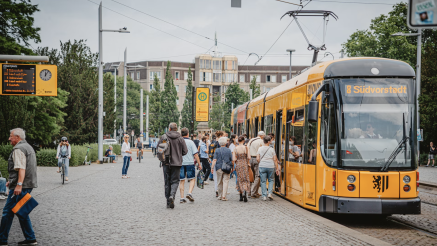



Toronto serves as a lighthouse city under the GEF-8 Sustainable Cities Integrated Program (SCIP), sharing its experience in climate action, green infrastructure, and inclusive urban governance with cities worldwide through the GPSC Global Knowledge Platform. Recognized as one of North America’s leaders in low-carbon development, Toronto integrates sustainable mobility, energy-efficient buildings, and circular economy practices into its long-term city planning. The city’s TransformTO Net Zero Strategy outlines an ambitious pathway to achieve net-zero emissions by 2040, focusing on equitable access to clean transport, renewable energy, and resilient urban spaces. Through peer exchanges and technical collaboration, Toronto supports SCIP cities in advancing climate-smart urban solutions and scaling integrated, people-centered planning models.