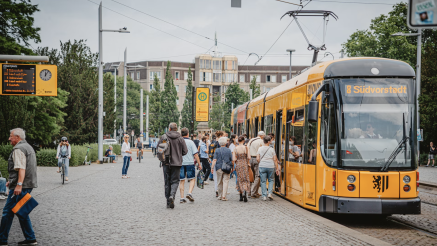
Havana participates in the GEF-8 Sustainable Cities Integrated Program (SCIP) through the Global Platform for Sustainable Cities (GPSC), fostering innovation, knowledge exchange, and integrated planning for sustainable urban transformation. As Cuba’s capital and economic center, Havana faces mounting pressures from rapid urbanization, aging infrastructure, and increasing exposure to climate risks such as coastal flooding and hurricanes. Through SCIP, the city is developing a national knowledge platform to strengthen evidence-based decision-making, promote collaboration among institutions, and mobilize public–private investment in resilient urban solutions. The program supports the integration of land-use planning, nature-based measures, and decarbonized infrastructure with circular economy pilots to reduce waste and emissions. These actions aim to revitalize Havana’s historic urban fabric while enhancing climate resilience, improving living conditions, and positioning the city as a model for sustainable and inclusive urban development in the Caribbean region.