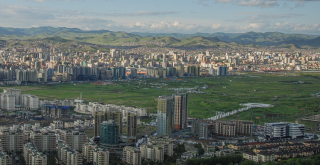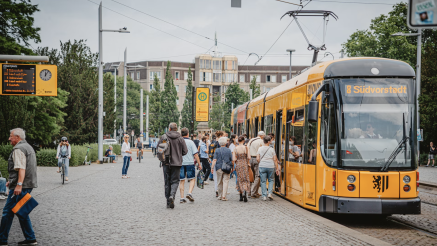



Erdenet participates in the GEF-8 Sustainable Cities Integrated Program (SCIP) through the Global Platform for Sustainable Cities (GPSC), reinforcing metropolitan integration and advancing nature-positive, low-carbon urban development. As Mongolia’s second-largest city and a major industrial and mining hub, Erdenet faces growing environmental and social challenges linked to resource use, air pollution, and infrastructure expansion. Through SCIP, the city is strengthening institutional coordination and land-use management to ensure that future growth aligns with environmental sustainability and climate resilience goals. The program supports the adoption of integrated urban planning tools, nature-based solutions for pollution control and ecosystem restoration, and decarbonized infrastructure across energy and transport systems. Circular economy practices are also being promoted to reduce waste and improve resource efficiency. By aligning these efforts with local and national planning cycles, Erdenet is developing a pipeline of green investments that enhance livability, diversify its economy, and demonstrate the value of sustainable urban transformation in Mongolia’s emerging cities.