


Bhopal

AREA:
463 km2 (179 sq mi)
POPULATION:
1,798,218
India

Bhopal, the capital of Madhya Pradesh, participated in the GEF-6 Sustainable Cities Integrated Approach Pilot (SCIAP) to advance cleaner and safer urban infrastructure systems. With transport, solid waste, and wastewater among the city’s main sources of greenhouse gas emissions, the program supported the closure of the Bhanpura dumping site as a demonstration of integrated waste management technologies. The initiative introduced sustainable practices to reduce GHG emissions, enhance resource efficiency, and improve public health and safety. Lessons from Bhopal’s project are informing broader urban policy frameworks for low-carbon development and waste-to-energy transitions across India’s rapidly urbanizing cities.

Recent initiatives

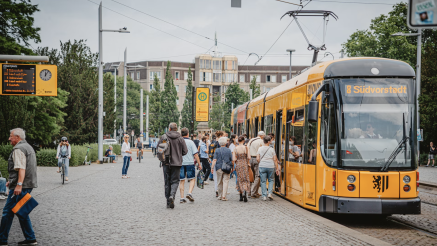
Transit-Oriented Development

Transit-Oriented Development Public transportation is often a city’s best strategy to curb congestion and reduce greenhouse gas emissions. But rapidly expanding populations and insufficient financing

Municipal PPP

Well-designed and well-managed Public-Private Partnerships (PPPs) can deliver high-quality and cost-efficient infrastructure, helping municipalities address critical infrastructure needs in the face

Gender and Cities

The World Bank Group takes as its starting point that no country, community, or economy can achieve its potential or meet the challenges of the 21st century without the full and equal participation of
Related content

EO4SD-Urban Project: Bhopal City Report GPSC is providing cities with urban extent imagery to facilitate a finer-grained understanding of urban expansion. This GPSC knowledge product for Bhopal contains information related to the provision
Knowledge Product