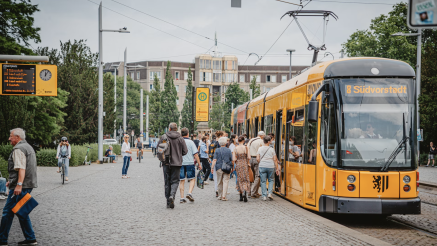


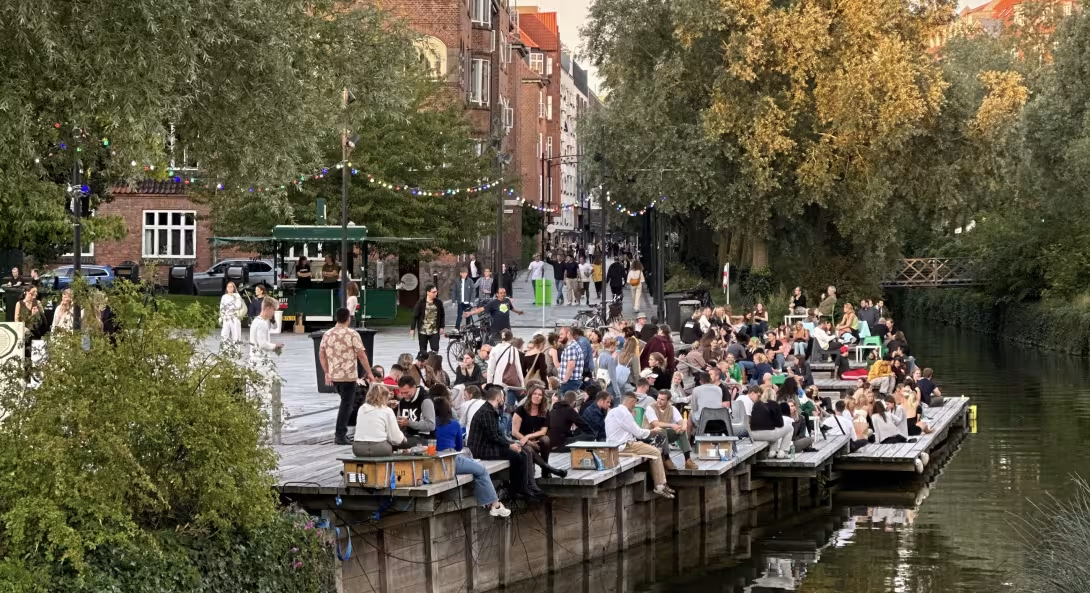
Aarhus serves as a lighthouse city under the GEF-8 Sustainable Cities Integrated Program (SCIP), sharing its leadership in circular economy innovation, climate adaptation, and citizen-driven urban governance. As Denmark’s second-largest city, Aarhus integrates sustainability and resilience into all aspects of city planning through its Climate Strategy 2030, which commits to achieving climate neutrality by the end of the decade. The city combines renewable energy systems, sustainable water management, and nature-based design to enhance livability and biodiversity. Through the GPSC Global Knowledge Platform, Aarhus contributes its experience in green infrastructure, district heating, and participatory approaches, helping peer cities transition toward equitable, low-carbon, and resource-efficient development.