

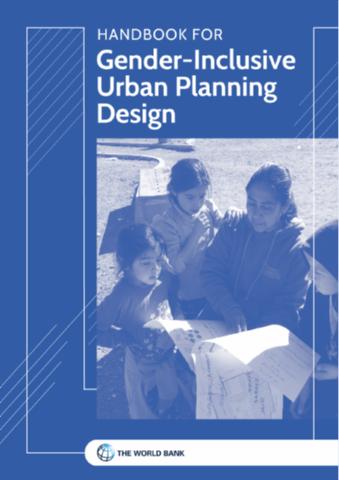
Handbook for Gender-Inclusive Urban Planning and Design

December 01, 2020

Urban planning and design quite literally shape the environment around us — and that environment, in turn, shapes how we live, work, play, move, and rest. This handbook aims to illuminate the relationships between gender inequality, the built environment, and urban planning and design; and to lay out a menu of simple, practicable processes and best practices for urban planning and design projects that build more inclusive cities – for men and women, for those with disabilities, and for those who are marginalized and excluded.

Related content
View all

Inclusivity

Addressing Gender Gaps in Housing Interventions

With more than half of the world’s population living in cities, ongoing urbanization presents both significant opportunities and complex challenges that will shape the global environment. Ensuring
Knowledge Product

Learn more

Inclusivity

COVID-19 and Slums

Slum inhabitants are the most vulnerable groups in the short and long-term: The risk exposure to the virus is likely to be exacerbated in slums, where people live in overcrowded conditions, and tend
Knowledge Product

Learn more

Inclusivity

Methodology Note - Participatory Violence Mapping in Informal Urban Settlements

Kenya is experiencing rapid urbanization. In 2016, about 14 million people (25 percent of the country’s population) were living in urban areas, but by 2030 that number is expected to increase to over
Knowledge Product

Learn more