

Inclusive Resilience : Inclusion Matters for Resilience in South Asia
26 JANUARY 2021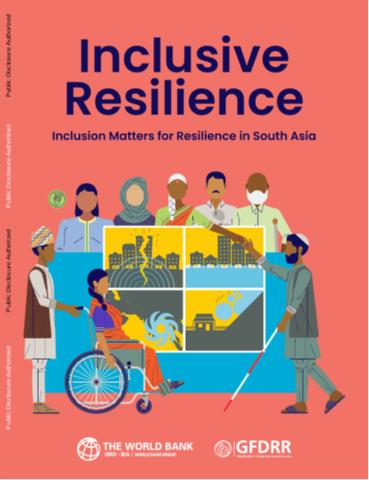
South Asia is one of the region’s most vulnerable to the impacts of natural hazards, particularly climate-induced extremes. The frequency and intensity of climate-induced hazards are projected to increase in the coming years, threatening the safety of households and communities, their livelihoods, and the development gains they have achieved. Further, disasters and climate change events have differential impacts on those who are socially excluded or marginalized. These groups especially include women, persons with disabilities (PwD), ethnic and religious minorities, the indigenous, the elderly, and the poor. They tend to live in higher-risk areas with increased exposure and vulnerability to natural hazards, often have limited resources to draw upon when they are struck by a disaster, and are not typically represented in decision-making bodies that deliver disaster risk management (DRM) interventions. Although most South Asian countries have put in place several DRM policies, programs, and plans that commit to promoting social inclusion, a gap persists between these policy instruments and the actions on the ground. Throughout the entire DRM cycle, of disaster risk mitigation, preparedness, response, and recovery, measures must be both designed and implemented to reflect the needs, capabilities, and voices of socially excluded groups. Only after these gaps between de jure policies and de facto actions are addressed will it be possible to ensure the resilience of all people in South Asia to withstand climate- and disaster-related impacts in the future.