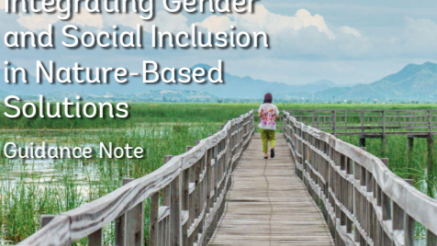


Inclusivity
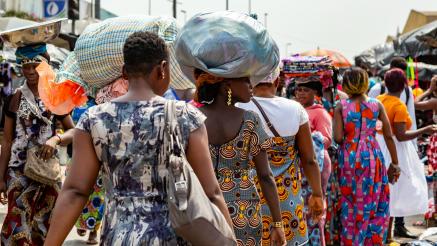
Inclusive cities ensure that sustainability benefits everyone. Embedding equity, accessibility, and gender responsiveness into policies and design helps create safe, affordable, and vibrant environments for all residents. An inclusive approach strengthens social cohesion, reduces inequality, and enables participation in decision-making. It is central to achieving a just urban transition that leaves no one behind. The GPSC integrates gender equality as a core dimension of sustainable urban development. Building on the World Bank Group’s commitment to closing gender gaps in access to opportunities, assets, services, voice, and agency, the GPSC works closely with the World Bank Gender Group, the GEF gender team, and gender experts across its global partner network.
Explore Gender Resources
Explore GPSC’s Gender and Cities initiative page to learn more about these ongoing initiatives and partnerships. Gender-related knowledge and tools are available through the GPSC Knowledge Products, which brings together World Bank, GEF, and GPSC resources in one place. Users can explore guidance notes, toolkits, policy briefs, and case studies using filters and thematic categories to identify materials relevant to gender, climate resilience, mobility, housing, nature, and urban governance. For more resources, please visit the World Bank Gender Data Portal.