COVID-19 and Cities: Approaches From Around the World

19 September 2025 /
Blog

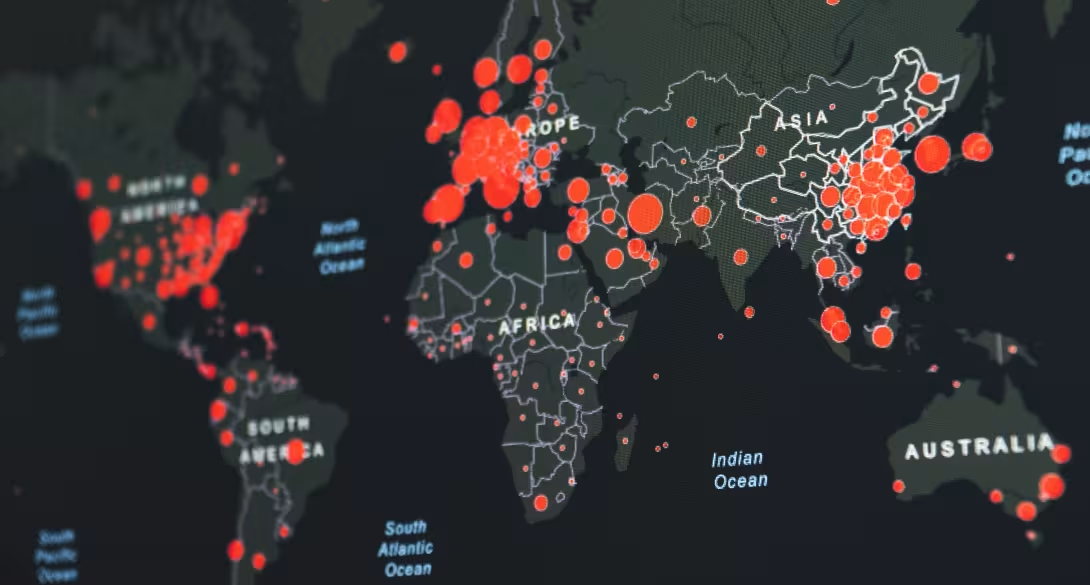
The ongoing pandemic is threatening cities across the globe in an unprecedented way, impacting not only public health but also the economy and how we interact in our communities. ​This webpage is collecting a wide range of approaches to COVID-19 through a selection of resources, events, and blogs.

 
 
 Featured resources
 
Coronavirus Speaker Series: Sharing Knowledge to Respond with Resilience is a weekly session organized by the Global Resilient Cities Network and the World Bank as a knowledge sharing session for cities in response to the rapidly evolving COVID-19 situation. Visit Cities Resilient Network website to see the materials from the previous sessions.
 
GPSC Resource Team has come up with a list of resources WRI, C40, and ICLEI are putting together for cities, related to responses to COVID-19. The list includes events, blogs, webinars, articles and other tools.
 
What are other cities in the world doing? Have a look at the database of public sector innovations to tackle C19 compiled by OECD here

 
 
 Events
 
Latest Knowledge resources
View all

Nature

Compendium for City Good Practice Series: How Paris Is Leveraging Nature For Climate Resilience

This report, as part of the Compendium for City Good Practice series, highlights Paris's innovative approach to climate resilience through the strategic integration of nature into urban environments. It offers a comprehensive overview of Paris's strategy on urban nature, showcasing how the city is integrating biodiversity into planning, leveraging green spaces, biodiversity corridors, and sustainable landscaping to mitigate the impacts of climate change. The report serves as a valuable resource for cities worldwide seeking to emulate Paris's successful model of

Report

Inclusivity

Toward Developing a Mobility and Gender Index

Although the benefits of a gender-inclusive approach to mobility for transport decarbonization, access to jobs, and human capital advancement have been increasingly recognized globally, this topic has not received sufficient attention. The lack of attention to gendered mobility barriers is partly due to a limited understanding of the wider benefits of inclusive transport services for development, which is caused by the absence of sex-disaggregated mobility data highlighting gender inequalities. One of the obstacles to this gender-inclusive approach is the absence