

As we mark World Cities Day, we are reminded that livable cities are key to a livable planet.
For most of us, cities are our homes and workplaces. Today, nearly 60% of the world’s population lives in cities—a share that will rise to almost 70% by 2050. Cities are also a key driver of national growth and development, accounting for more than 80% of global GDP and almost 90% of private sector job creation.
However, cities are also a key source and target of the climate crisis, generating 70% of greenhouse gas emissions. The concentration of people, infrastructure and economic activity in cities also makes them particularly vulnerable to climate change and other natural hazards. Global average annual losses in the built environment from earthquakes, tsunamis, cyclones, flooding and other disasters were estimated at $314 billion in 2015 and are expected to increase to $415 billion by 2030.
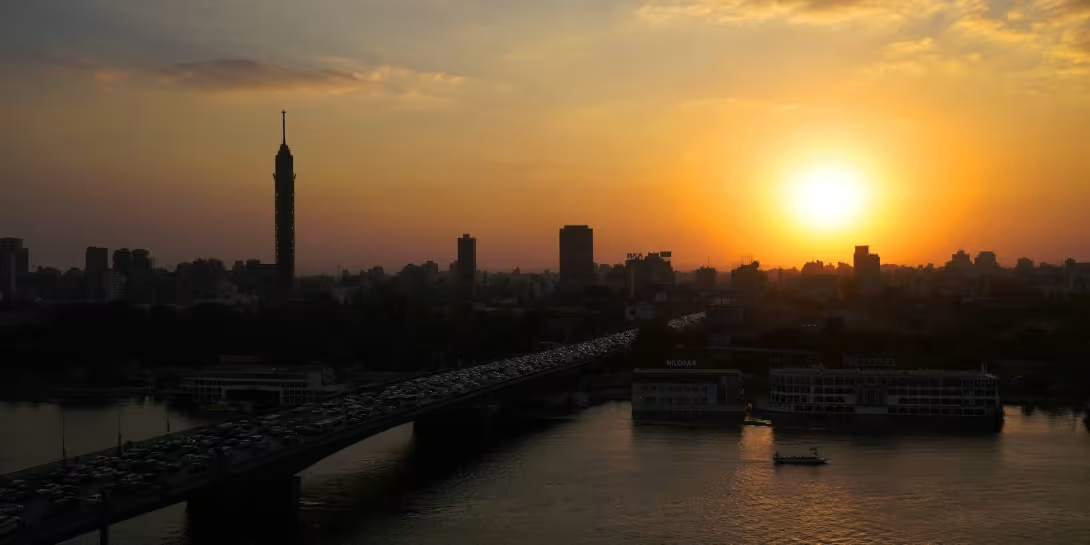
How urbanization is managed will have long-lasting, irreversible impacts on the planet. That’s why—as we will highlight next week at the Twelfth Session of the World Urban Forum (WUF12) in Cairo, Egypt—a comprehensive and integrated approach is needed to address urban challenges like unemployment, infrastructure gaps and unaffordable housing in a low carbon, climate resilient manner.
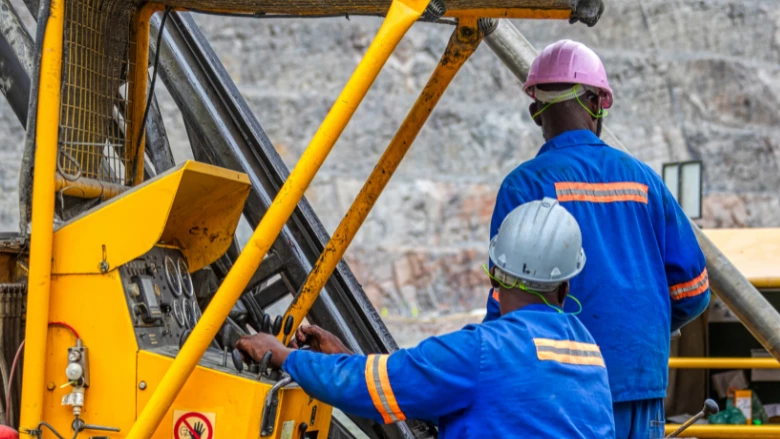
Promoting urban jobs and economic transformation
A livable city isn’t just a pleasant place to live—it’s an engine of opportunity. With smart investments, cities can foster inclusive and green economic growth, creating jobs and reducing poverty.
Yet many cities in developing countries face barriers to economic growth, including congestion, inadequate infrastructure and limited services. These challenges not only harm city residents but also drag down national and global economic progress.
The WUF12 theme highlights how local actions—such as investing in urban infrastructure—are key to unlocking the full potential of cities to drive sustainable growth. As we will discuss at our side event taking place in Cairo during WUF12, “Cities for More and Better Jobs in the Middle East and North Africa,” that’s why the World Bank is stepping up with projects that focus on local communities.
Together, we are investing in projects that help create urban environments that are conducive to job creation, as well as assisting national and local governments in establishing the policies, systems and capacities that contribute to the functioning of cities.
Supporting financing instruments for local governments
Building more livable cities requires massive investment. Cities around the world, but particularly in developing countries, are in urgent need of much greater volumes of financing to invest in infrastructure and services to support economic growth, deliver services to urban residents and combat climate change.
This requires a combination of enabling government policies, municipal capacity, and city-level action to strengthen revenue administration. At the same time, cities require much greater financing flows from national and subnational governments, international financial institutions, and the private sector. The World Bank is helping through projects which invest directly in cities and through supporting national and city governments establish the policies, systems, and capacities which can boost financing flows, including financing from private and commercial sources, and assist cities to invest efficiently.
One key area where cities need more investment is urban climate finance. As we will highlight at our WUF12 event “Closing the City Climate Finance Gap”, cities need much greater flows of financing from both public and private sectors to meet growing climate challenges.
Building affordable, green, and resilient housing and buildings
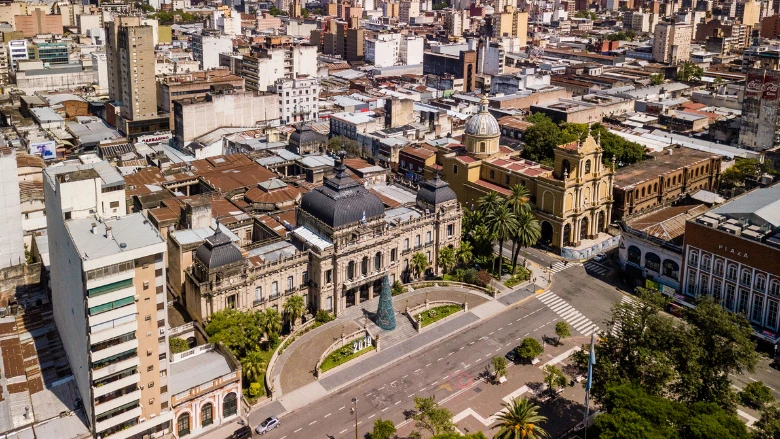
The theme of WUF12, “It All Starts at Home,” is particularly relevant to the housing crisis cities face today. How and where housing is built has a direct impact on the environment, the safety and wellbeing of families, household wealth, and economic growth.
Today, 1.6 billion people are struggling to secure adequate housing, many due to a lack of affordability, a figure which is expected to reach 3 billion by 2030. The building sector accounted for 34% of global energy demand in 2022, a figure that must be reduced by 30% on average to meet the climate goals in the Paris Agreement.
That’s why the housing and building sector is at the center of the World Bank’s urban development programming, presenting an opportunity to reduce emissions and inequalities while strengthening climate adaptation and resilience.
More private capital and innovative financing tools must be mobilized to meet the increasing demand for housing and buildings in developing countries, as we will explore at our WUF12 event, “Securing Financing for Affordable, Green, and Resilient Housing and Buildings.” Globally, urgent government action is needed to enable and incentivize green, resilient, and inclusive building practices through policies and regulatory frameworks such as zoning and land use, building codes, and standards as well as initiatives that engage the private sector.
Join us at WUF12
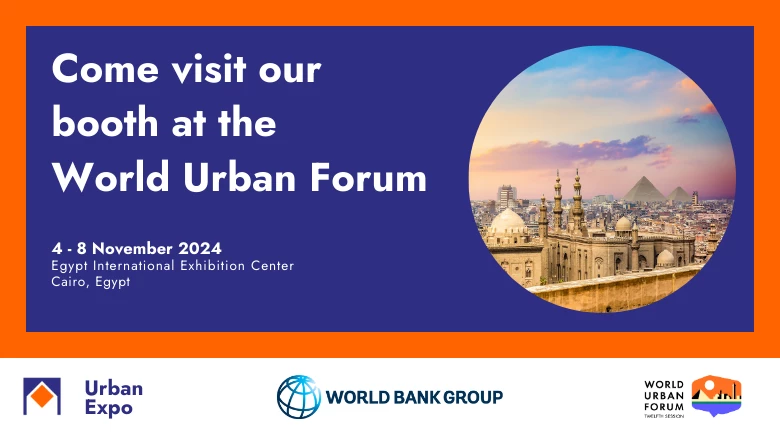
As the WUF12 theme emphasizes, local actions are vital to creating sustainable cities and communities. To join the discussion about how livable cities are key to a livable planet, we invite you to explore our full agenda of events at WUF12, and, for those attending WUF in person, to visit us at our Urban Expo booth during the event.
By promoting jobs and economic transformation, supporting finance instruments for local governments, and building affordable, green, affordable housing and buildings, we can build more livable cities. Livable cities hold the power to transform economies, protect the environment, and improve billions of lives.
Now is the time to act—starting at home, in cities themselves—to ensure that as cities grow, they do so in ways that benefit both people and the planet.