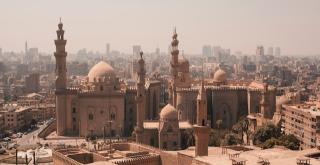


Egypt
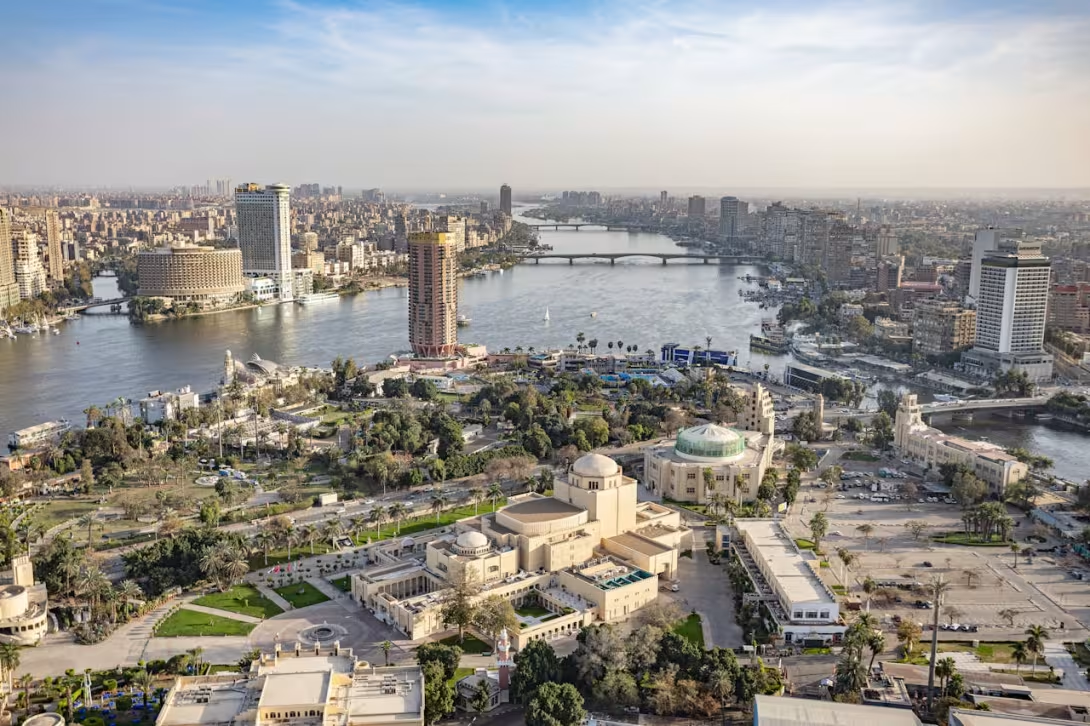
Photo by Mau / Pexels
Although Egypt is not part of the GEF Sustainable Cities Programs or the GPSC network, the country offers important examples of large-scale urban transformation, climate adaptation, and green infrastructure that are highly relevant to cities worldwide. Egyptian cities—particularly Cairo and Alexandria—are advancing initiatives in sustainable mobility, flood management, urban greening, and air quality improvement, while pioneering new desert urban developments aimed at relieving pressure on dense metropolitan cores. Egypt’s national strategies on climate resilience, renewable energy, and coastal protection provide valuable insights for GEF SCIP cities seeking to integrate environmental sustainability into long-term urban planning. Its experience demonstrates how rapidly growing cities in climate-vulnerable regions can balance expansion with resilience, innovation, and improved quality of life.