Chile

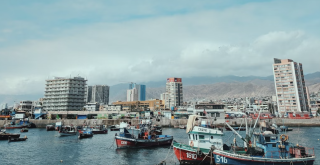
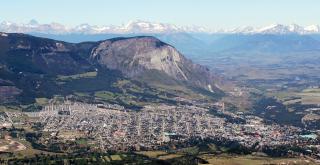
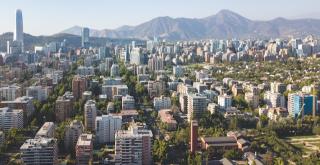
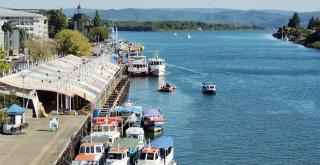
Chile plays an active role in the GEF-8 Sustainable Cities Integrated Program (SCIP), with several cities—including Santiago Metropolitan Area, Antofagasta, Valdivia, and Coyhaique—advancing integrated, climate-smart urban development. As a country with extraordinary geographic and ecological diversity, from desert landscapes to temperate rainforests, Chile faces growing urban challenges linked to climate change, water scarcity, air pollution, and land-use pressures.
Through SCIP and the GPSC Global Knowledge Platform, Chilean cities are strengthening nature-based solutions, green infrastructure, circular economy models, and decarbonization strategies, while improving data-driven planning and resilience across metropolitan regions. Chile’s leadership in environmental policy, renewable energy, and urban innovation continues to provide valuable lessons to the global GEF city network, demonstrating how cities can transition toward more livable, low-carbon, and nature-positive futures.
FAO serves as the Implementing Agency. The Executing Agencies are the Ministry of Housing and Urbanism and the Ministry of Environment.
This project focuses on integrating green infrastructure and nature-based solutions (NbS) in urban and peri-urban areas across Chile, with particular emphasis on the cities of Santiago, Antofagasta, Valdivia, and Coyhaique. The project will address systemic barriers, such as inadequate technical knowledge, lack of coordinated planning, and insufficient funding, by strengthening institutional capacities, improving data management, and facilitating multi-level governance.
Specific actions will include developing urban green infrastructure plans, implementing NbS pilot projects, and promoting innovative financing mechanisms for sustainable development. The project aims to improve urban resilience, restore ecosystems, reduce GHG emissions, and enhance the quality of life for urban residents, particularly those in vulnerable communities.
Component 1 – Biodiversity-Sensitive Urban and Territorial Planning
- Integration of biodiversity and ecosystem services into Regional and Intercommunal Territorial Plans (PROT/PRI)
- Incorporation of NbS into statutory urban planning instruments and zoning regulations
- Strategic Environmental Assessment (SEA) integration into territorial planning processes
- Urban ecosystem mapping and ecological connectivity analysis
- Watershed-scale planning diagnostics linking urban expansion and hydrological risk
- Development of regulatory tools for risk-informed land-use management
- Institutional coordination mechanisms between regional and municipal authorities for ecosystem-based planning
Component 2 – Urban Ecosystem Restoration and Green Infrastructure Pilots
- Restoration of degraded urban land and riparian ecosystems
- Development of ecological corridors and green buffer zones
- Hybrid green–grey infrastructure for flood mitigation and stormwater management
- Urban reforestation and public space greening interventions
- Implementation of NbS pilots in vulnerable urban expansion areas
- Community engagement mechanisms for ecosystem stewardship and maintenance
- Monitoring framework for ecosystem restoration and resilience performance indicators
Component 3 – Capacity Building, Knowledge Management, and Scaling
- Capacity building for regional and municipal planners on biodiversity mainstreaming
- Development of technical guidelines for NbS integration into planning instruments
- Knowledge management and replication strategy for scaling ecosystem-based planning
- Alignment of monitoring systems with national climate and biodiversity commitments
- Preparation of investment-ready concepts for ecosystem-based urban infrastructure
- Improved Institutional Capacity: Strengthened capacities to integrate GI and NbS into urban planning.
- Increased Investment: Enhanced public and private investments in GI and NbS projects.
- Enhanced Technical Capacity: Improved knowledge and capacities in GI and NbS among decision-makers and public institutions.
- Improved Environmental Outcomes: Restoration of fragmented ecological corridors, reduced soil and vegetation degradation, and increased capacity for greenhouse gas capture.
- Enhanced Social Benefits: Increased access to green spaces, improved health and well-being, and reduced vulnerability to climate change impacts.
Total GEF Grant (USD)
5,333,330
Total Co-financing (USD)
33,300,759
World Bank Country Profile (Data Portal)
For broader socioeconomic and environmental context, consult the World Bank Country Data Profile. It provides up-to-date indicators on economic performance, social development, climate and environmental metrics, as well as an overview of World Bank operations and financing in the country. Access the country profile here.
GEF Country Profile
For information on Global Environment Facility engagement, see the GEF Country Profile. It presents an overview of GEF-funded projects, thematic areas of intervention, implementing partners, and country resource allocations, offering insight into environmental investment priorities and ongoing initiatives. Access the country profile here.
WOFI Country Profile
For additional insights on subnational public finance, see the OECD Subnational Government Finance Observatory (WOFI) Country Profile. It provides internationally comparable data on revenues, expenditures, investment, debt, and fiscal arrangements across levels of government, offering a useful reference on fiscal capacity and decentralization. Access the country profile here.
Keywords