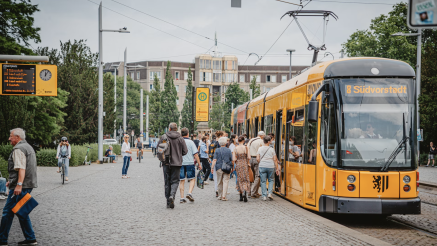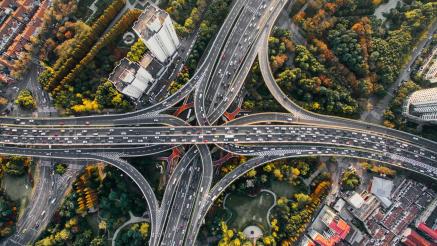



Yokohama has been an active participant in the Global Platform for Sustainable Cities (GPSC), sharing its extensive experience in sustainable urban management and smart city innovation. As one of Japan’s leading metropolitan centers, Yokohama has developed an integrated approach to solid waste management that combines recycling, community engagement, and advanced treatment technologies, significantly reducing landfill use and emissions. The city has also been at the forefront of applying smart technologies to improve urban services, mobility, and energy efficiency, while addressing the challenges of aging infrastructure and population dynamics. Through its engagement in GPSC events and peer-learning exchanges, Yokohama contributes valuable knowledge on how data-driven planning, citizen participation, and technological innovation can work together to create cleaner, more resilient, and inclusive cities.