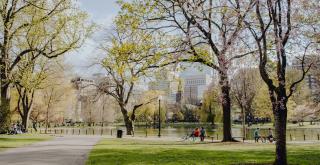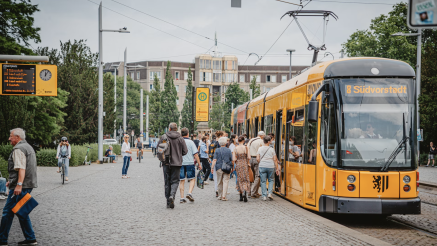



San José, the capital and largest city of Costa Rica, participates in the GEF-7 UrbanShift program implemented by UNDP in partnership with the Ministry of Environment and Energy (MINAE) and the Organization for Tropical Studies (OTS). Located in the Central Valley and forming part of the Greater Metropolitan Area (GAM), which hosts over half of the country’s population, San José faces mounting challenges from urban sprawl, congestion, and greenhouse gas emissions. The city’s rapid expansion has strained mobility systems, increased pollution, and encroached on surrounding natural and agricultural landscapes. Through UrbanShift, Costa Rica is advancing a transition toward a green urban economy by integrating decarbonization, circular economy, and resilience into metropolitan planning. Interventions include fiscal and policy reforms, circular business models for waste and wastewater management, participatory greening initiatives, and restoration of critical urban areas. Together, these actions aim to strengthen climate resilience, reduce emissions, and ensure that urban growth in San José aligns with Costa Rica’s national decarbonization and biodiversity goals.