



Ningbo

AREA:
9,816.23 km2 (3,790.07 sq mi)
POPULATION:
9,618,000
China

GEF-6 (SCIAP)

Under the GEF-6 SCIAP, Ningbo—an important port city in Zhejiang Province—implemented corridor-level TOD strategies to align land use with its growing metro system. The initiative focused on revising zoning codes, promoting mixed-use development, and improving multimodal integration around station areas.


GEF-7 (UrbanShift)
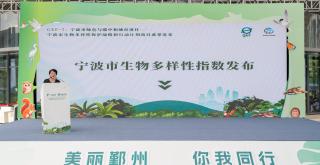
As a participant in the GEF-7 UrbanShift program, Ningbo advances biodiversity conservation and low-carbon urban renewal. UrbanShift supports the city in developing a biodiversity strategy, restoring wetlands, and piloting neighborhood retrofits in Haishu District. The project also establishes a carbon-emission monitoring framework and natural-capital accounting systems to inform zero-carbon urban planning. These actions strengthen Ningbo’s capacity to decouple economic growth from emissions while enhancing resilience to climate impacts.

Recent Initiatives

Transit-Oriented Development

What is TOD? From Concept to Practice World Bank Recent Projects Explore Resources Transit-Oriented Development (TOD) is an integrated approach to urban planning that aligns transport, land use,…

Municipal PPP

What is Municipal PPP? Why Municipal PPP Matters Understanding the Context The PPP Project Cycle Municipal PPP Framework Municipal Public-Private Partnerships (PPPs) are long-term collaborations

Gender and Cities

Why Gender Matters Our Approach What We Do Explore Our Resources Featured Resources Gender equality is essential to achieving sustainable, resilient, and inclusive cities. Climate change
Related Content

GEF-6 SCIAP China Sustainable Cities Integrated Approach Pilot: Summary Reports China’s GEF-6 SCIAP project institutionalized Transit-Oriented Development (TOD) as a multiscale planning and governance tool embedded in national and city-level systems. Across seven pilot cities
Knowledge Product