

Kigali

AREA:
730 km2 (280 sq mi)
POPULATION:
1,329,830
Rwanda

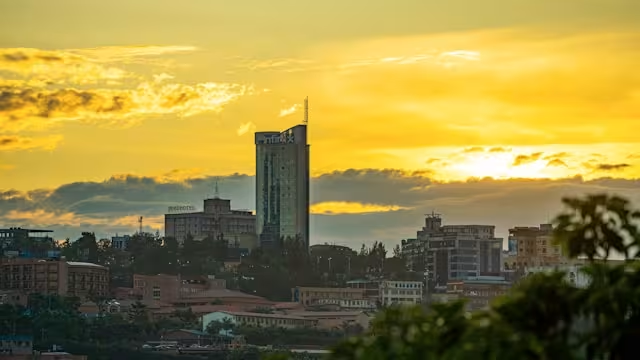
Kigali, Rwanda’s capital and largest city, participates in the GEF-7 UrbanShift program through the Rwanda Urban Development Project (RUDP II), implemented by the World Bank in partnership with the Government of Rwanda and the City of Kigali. Located in the lush, hilly heart of the country, Kigali is home to 1.6 million people and accounts for over 40% of Rwanda’s GDP. Rapid urbanization, informal settlements, and declining natural drainage systems place growing pressure on the city’s environment and infrastructure. Through RUDP II, UrbanShift strengthens integrated urban planning and resilience by combining grey and green infrastructure investments, including wetland rehabilitation, flood mitigation, and stormwater management. These interventions enhance ecosystem services, improve living conditions, and demonstrate how nature-based solutions can help Kigali balance urban expansion with climate resilience and sustainable growth.
Recent Initiatives

Transit-Oriented Development

Transit-Oriented Development integrates transport planning, land use, and urban design to create compact, connected, and livable cities.

Municipal PPP

Municipal Public-Private Partnerships are long-term collaborations between local governments and private entities to deliver infrastructure and public services.

Gender and Cities

Women and girls face disproportionate climate impacts in cities, making gender equality essential to achieving resilient, inclusive urban development.
Related Content

Sustainable Asset Valuation Assessment of Nature-Based Solutions in Kigali, Rwanda A SAVi assessment shows Kigali’s nature‑based solutions yield major economic, social, and environmental benefits while significantly reducing climate risks.
Knowledge Product

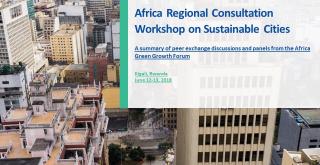
Africa regional consultation workshop on sustainable cities This document summarizes the content discussed during the Africa Regional Consultation Workshop on Sustainable Cities in Kigali, Rwanda. This peer exchange explored how various sustainability
Knowledge Product