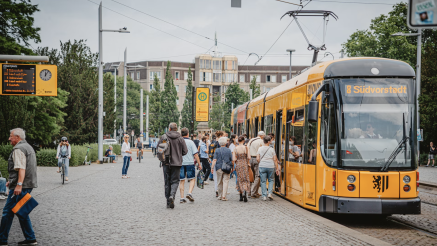


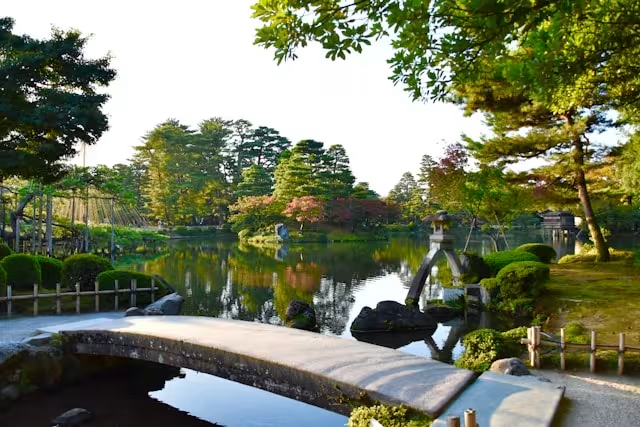
Kanazawa serves as a lighthouse city under the GEF-8 Sustainable Cities Integrated Program (SCIP), showcasing how heritage conservation and nature-based planning can coexist within a modern, low-carbon urban framework. Known for its well-preserved historic districts, traditional gardens, and cultural craftsmanship, Kanazawa integrates biodiversity protection, compact city design, and climate resilience into its urban policies. The city’s approach emphasizes green corridors, sustainable mobility, and the revitalization of cultural landscapes as catalysts for inclusive economic growth and ecological balance. Through the GPSC Global Knowledge Platform, Kanazawa shares its experience in blending cultural identity with environmental innovation, offering valuable lessons on how cities can evolve sustainably while preserving their natural and cultural heritage.