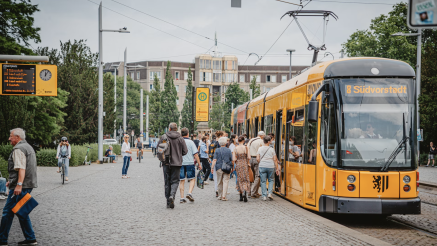



Helsinki serves as a lighthouse city under the GEF-8 Sustainable Cities Integrated Program (SCIP), sharing its expertise in climate-smart planning, circular economy, and digital innovation. The city integrates climate neutrality targets into every aspect of urban governance, guided by the Carbon Neutral Helsinki 2030 Action Plan. Through nature-based solutions, renewable energy expansion, and data-driven mobility systems, Helsinki advances equitable and resource-efficient urban transformation. By engaging through the GPSC Global Knowledge Platform, Helsinki supports peer cities in designing integrated, low-carbon, and inclusive strategies that strengthen resilience and urban livability across diverse contexts.