

Global Meeting
3rd GPSC Global Meeting
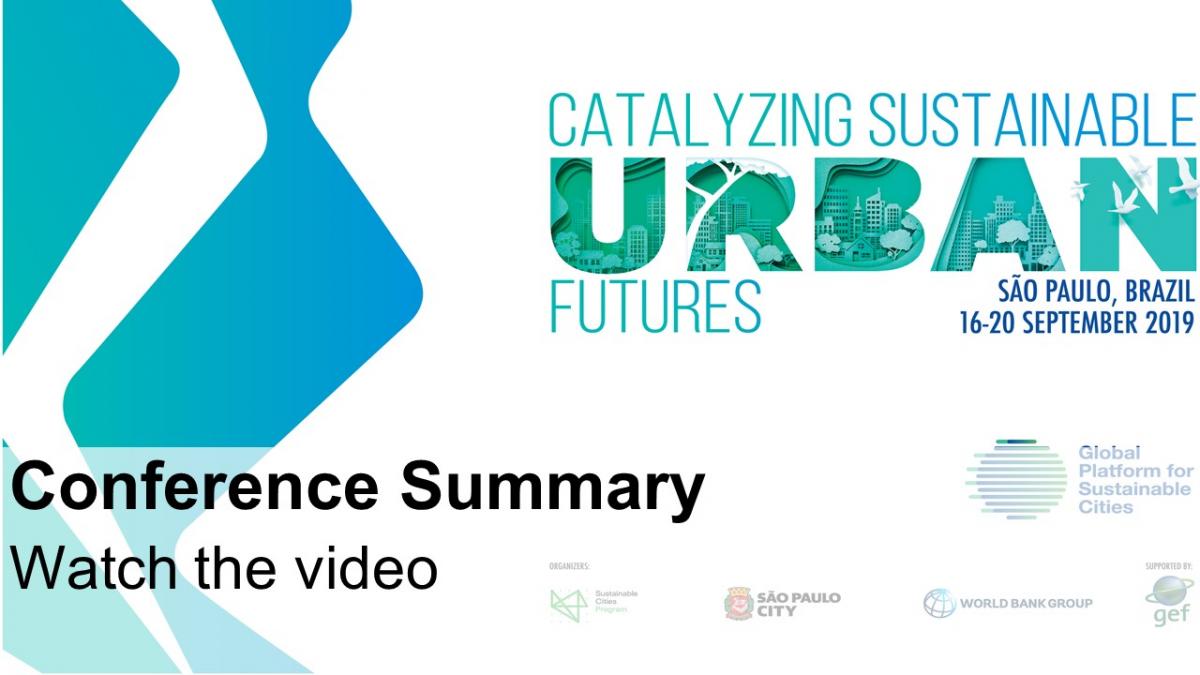
16 September 2019 - 20 September 2019,09:00
/
São Paulo, Brazil
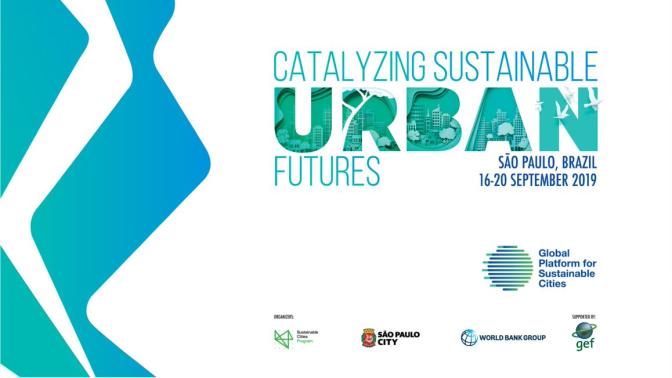
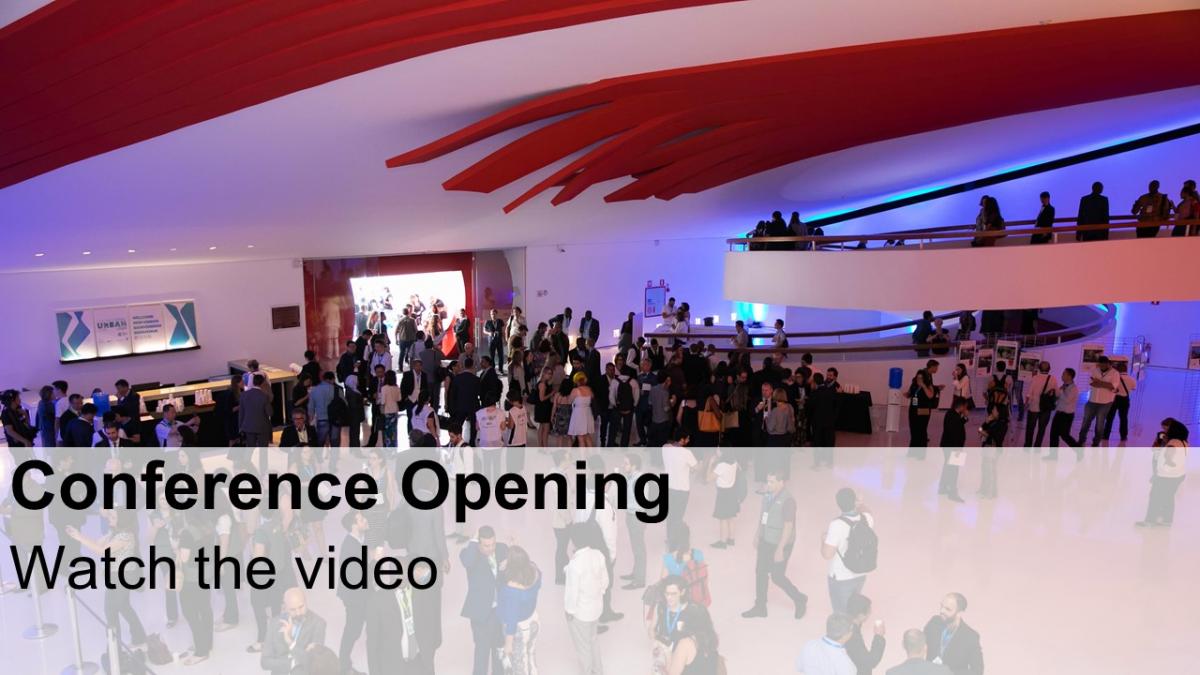
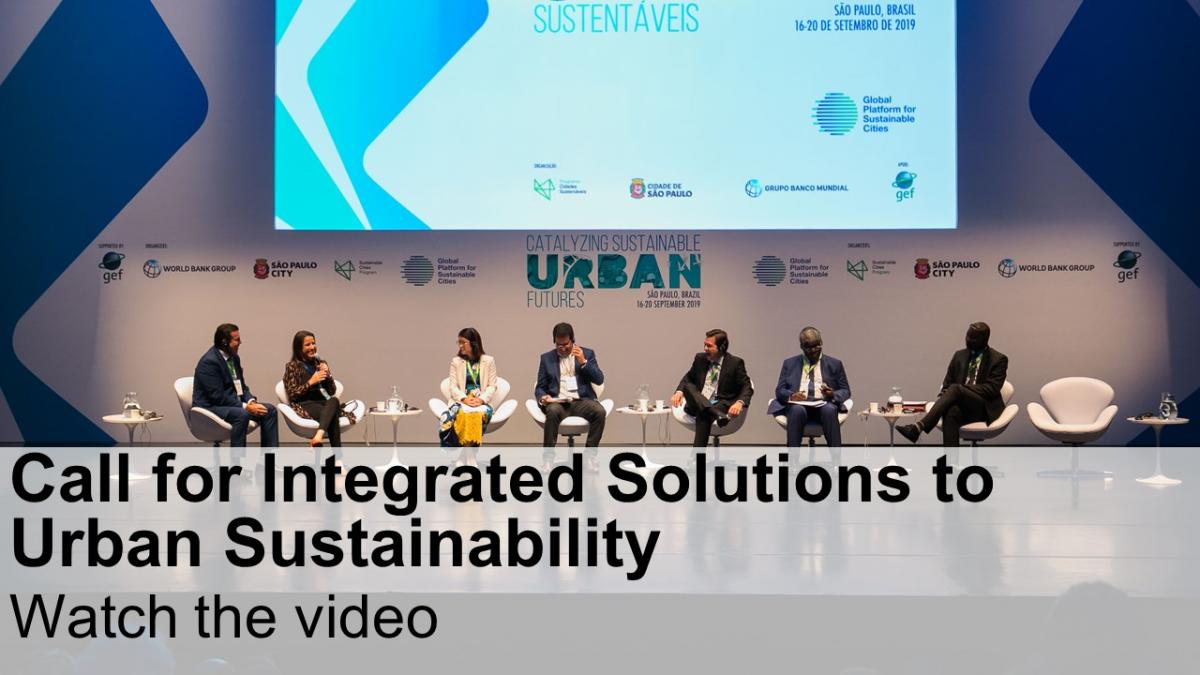
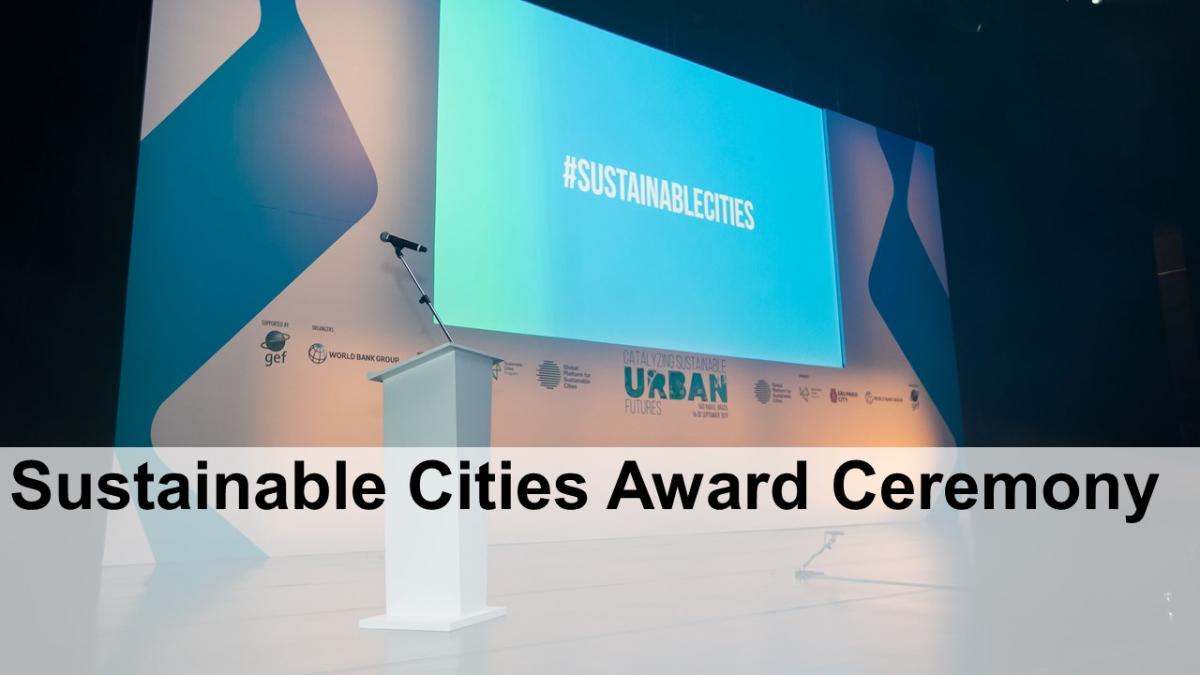
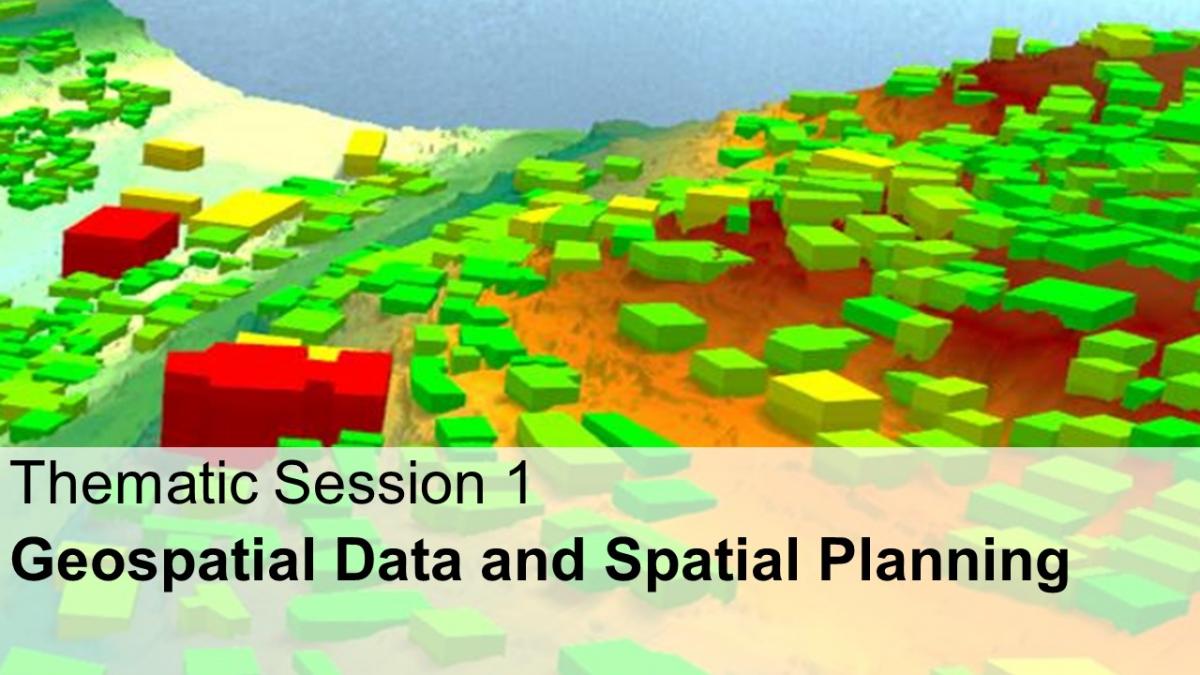
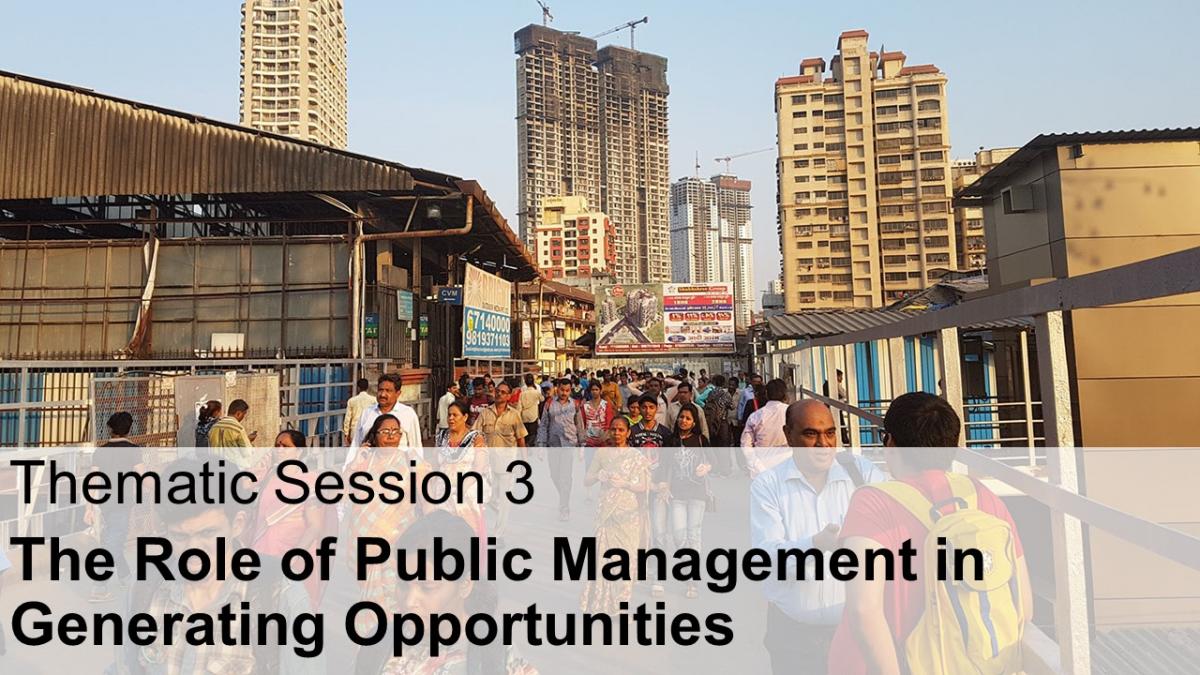
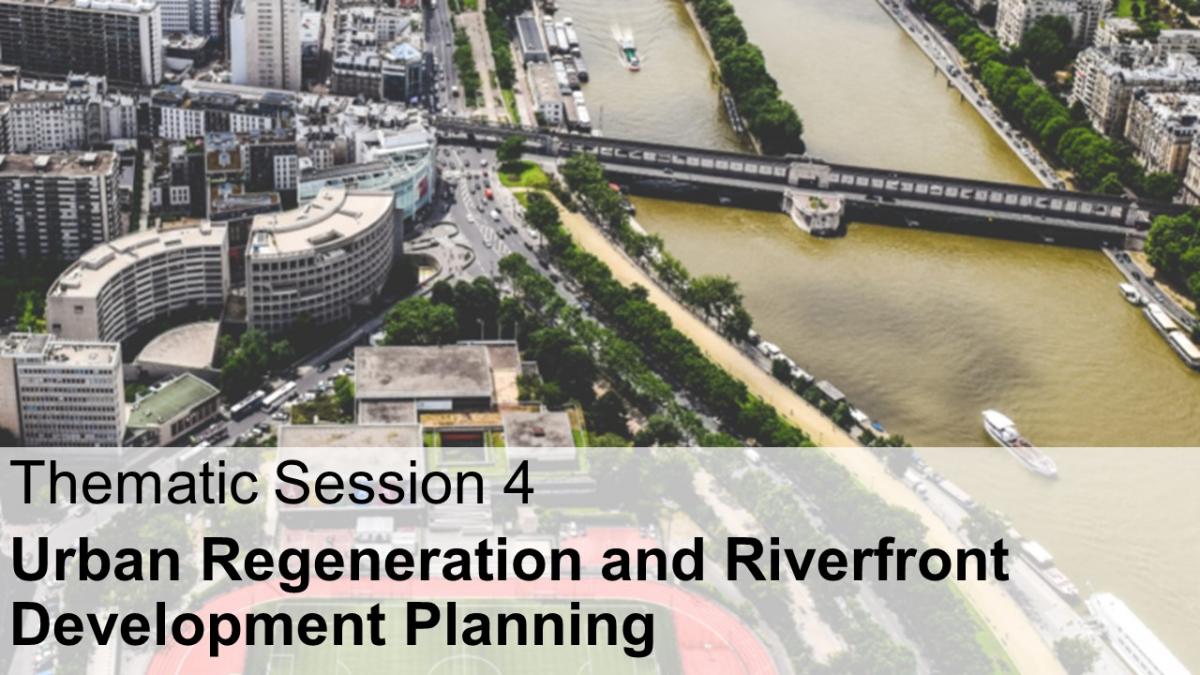
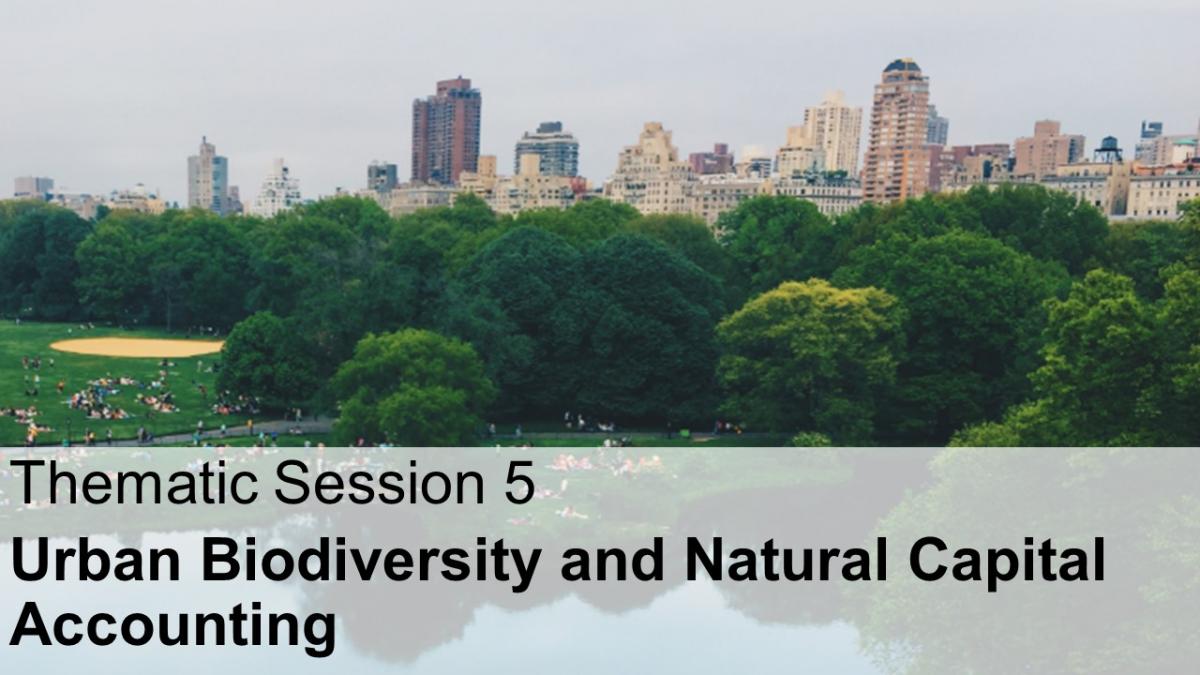
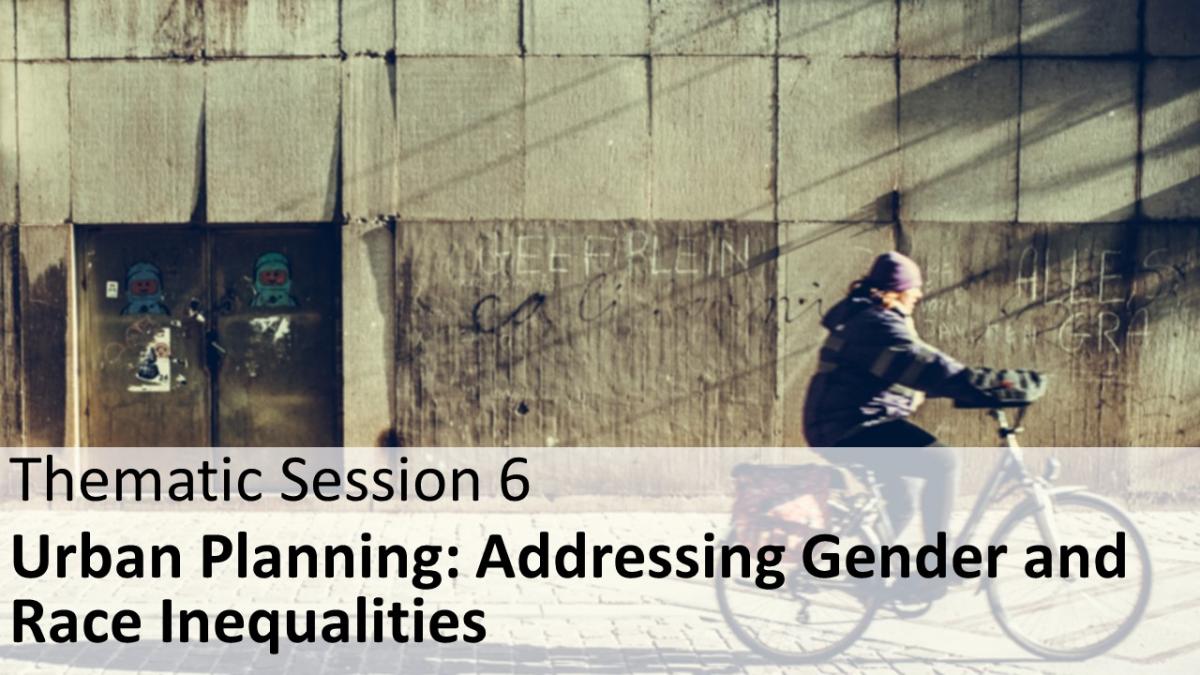
Cities met in São Paulo to catalyze action for their sustainable urban futures. The event included four GPSC Academy training sessions, nine thematic sessions, and four themed site visits. During the opening ceremony, the “São Paulo Statement on Urban Sustainability: A Call to Integrate Our Responses to Climate Change, Biodiversity Loss, and Social Inequality” was issued at the opening of the event, encouraging cities to take action by setting low emission targets to become carbon neutral; integrating climate and biodiversity considerations into spatial planning; and bringing nature closer to people. The statement gathered support from at least 26 cities, including São Paulo, Paris and Helsinki and has been translated from English into four languages: (Portuguese| Chinese | French | Spanish).
Almost 1,000 participants from more than 40 countries attended the event, including mayors from 50 cities in Brazil and city leaders from other countries, such as: Brazil, China, Côte d'Ivoire, Malaysia, Mexico, Senegal and India. Here you can find the all the information shared during the event.
Days 1 and 2
Day 3
Day 4
Day 5