

Best Practices and Lessons Learned: Tactical Urbanism to Design Cities for People

June 30, 2022

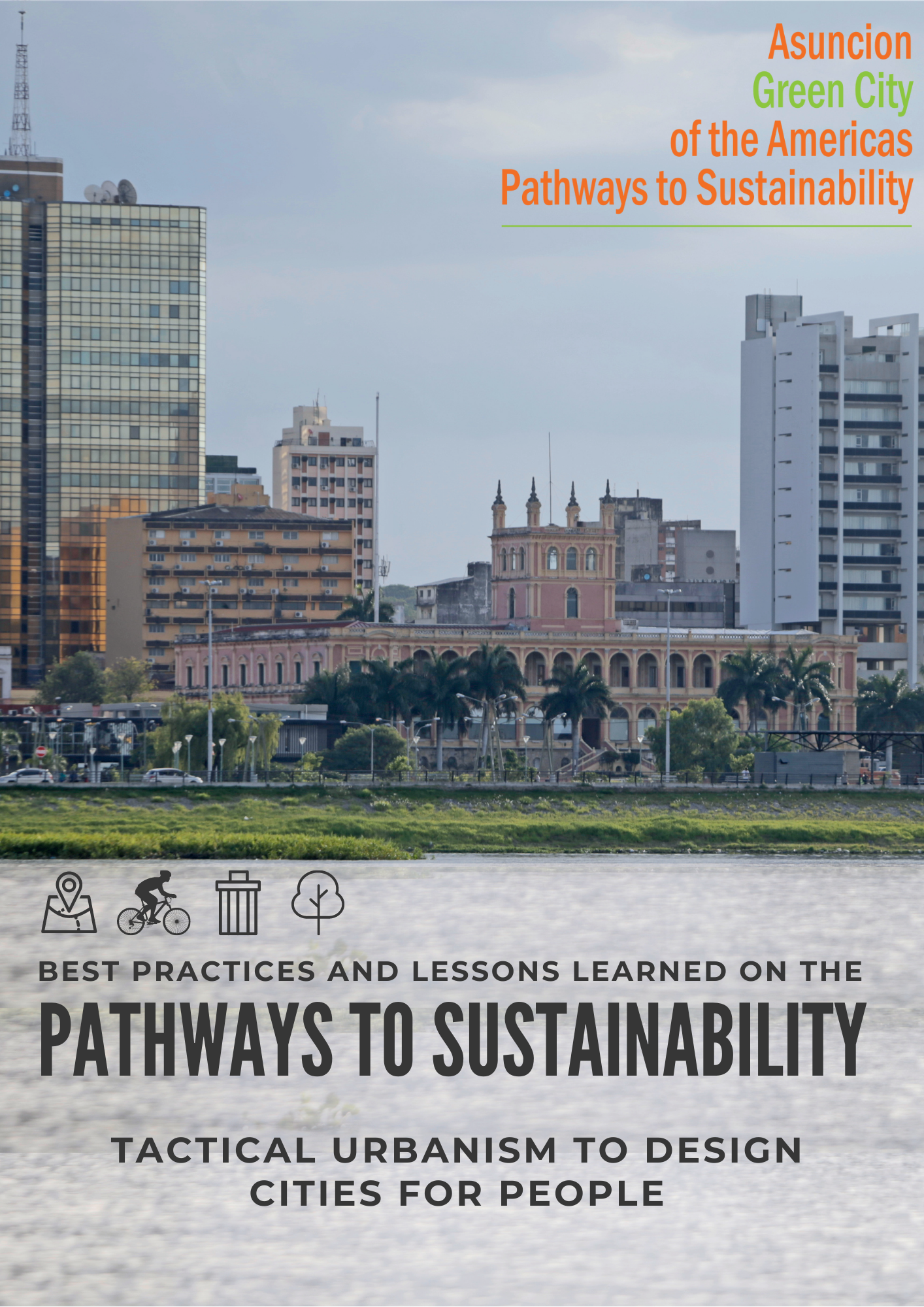
It is estimated that around 600,000 motored vehicles enter the city of Asunción each day, adding a lot of pressure to the already dense traffic. The car-centric design of cities like Asunción, Ñemby and Fernando de la Mora, makes urban mobility uncomfortable and less safe for pedestrians, as well as unfriendly towards more sustainable modes of transportation like bicycles. Interim tactical urbanism interventions can work as means to increase road safety and promote citizen participation.

 
Related content
View all

Mobility

[VIDEO] WRI Explains: 6 Road Design Changes That Can Save Lives

WRI Brasil explains six simple road design changes that can significantly improve road safety. These changes put people – not vehicles – at the center of design to reduce speeds, demand more awareness

Knowledge Product

Learn more

Mobility

GPSC Compendium: Strategy and Innovation for Bus Reforms in Developing Countries

In developing countries, buses are the backbone of public transit, and the poor depend on them to access employment and other urban services. But these bus services are often unsafe, offer poor

Knowledge Product

Learn more

Mobility

Formulating an Urban Transport Policy: Choosing Between Options

As the developing world rapidly urbanizes, the demands on transport systems also grow often at a faster pace than the population. Given the above tendency, an effective and coordinated approach to

Knowledge Product

Learn more