

Partner Events
More Growth, Less Garbage: Updated Waste Generation Estimates and Waste Reduction Strategies
02 February 2022
,
08:00
/
Online
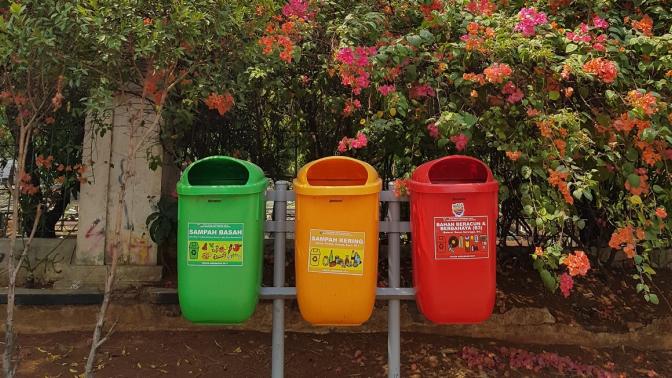
Global waste generation is estimated to grow from 2.24 billion tons in 2020 to 3.88 billion tons in 2050. The World Bank’s More Growth, Less Garbage report presents an updated picture of waste generation if the world continues along the current trajectory and how changing that path can help lower waste levels. It also explores the possibility of decoupling waste generation, and thus consumption, from economic growth.
This webinar serves as a deep dive into waste generation trends in cities and countries that have managed to decouple waste generation from economic growth. It also focuses on two case studies – Yokohama, Japan and Ljubljana, Slovenia – as featured in the publication.
Speakers
Sameh Wahba, Global Director, World Bank
Kremena Ionkova, Lead Urban Specialist, World Bank
Silpa Kaza, Senior Urban Development Specialist, World Bank (Download the presentation here)
Toru Hashimoto, Director General of the International Affairs Bureau for the City of Yokohama (Download the presentation here)
Jaka Kranjc, Main Waste Management Expert at Društvo Ekologi brez meja (Ecologists Without Borders) (Download the presentation here)